
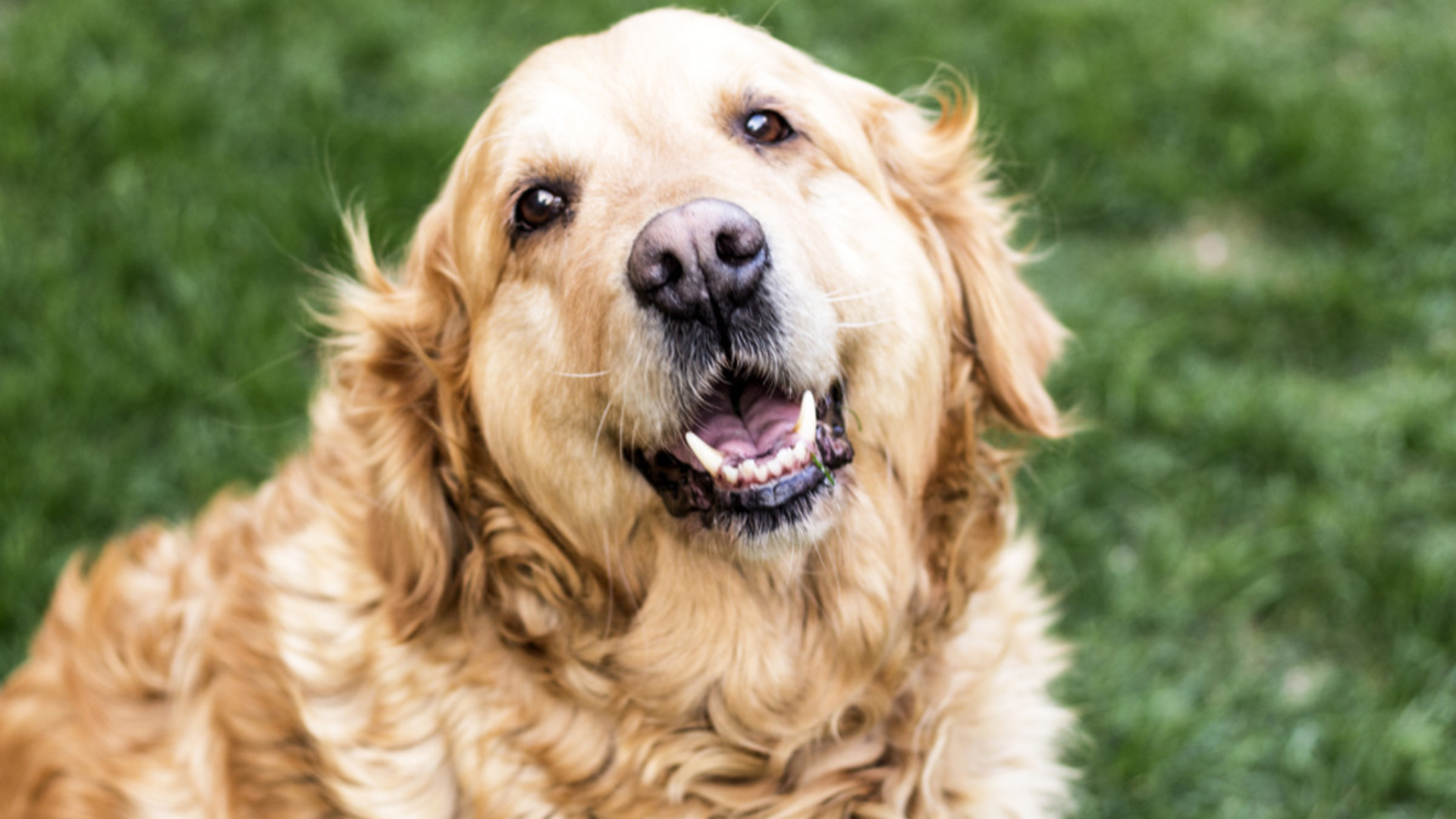
As dogs enter their senior years—typically around 7 years for large breeds and 9–10 years for smaller breeds—their energy levels naturally decline. Senior dogs may sleep more, move slower, and avoid intense play. However, reduced activity does not mean reduced happiness. Experts agree that emotional connection, comfort, appetite, and engagement are the most reliable indicators of a happy senior dog.
Understanding these signs of senior dog happiness helps owners ensure their aging companions continue to enjoy a high quality of life.
Key Signs Your Senior Dog Is Still Happy
| Sign | What It Shows | Why It Matters |
|---|---|---|
| Healthy appetite | Eats meals regularly | Indicates physical and emotional well-being |
| Relaxed body language | Loose posture, soft eyes | Shows comfort and security |
| Interest in walks | Enjoys routine activity | Reflects mental stimulation |
| Seeks affection | Wants petting and closeness | Shows emotional bonding |
| Responds to surroundings | Reacts to sounds and people | Indicates alertness and engagement |
| Comfortable sleep | Sleeps 12–16 hours daily | Shows relaxation and low stress |
| Happy greetings | Responds positively to owners | Reflects emotional attachment |
1. They Maintain a Healthy Appetite
A consistent appetite is one of the strongest indicators of happiness. Senior dogs that eat regularly and enjoy treats are usually comfortable and emotionally satisfied. Sudden appetite loss may indicate stress, pain, or illness, while a steady appetite reflects stability.
2. Their Body Language Looks Relaxed
Happy senior dogs display loose muscles, relaxed ears, soft eyes, and gentle tail wagging. These physical signals show they feel safe in their environment. Tension, stiffness, or withdrawal may indicate discomfort.
3. They Still Enjoy Walks and Routine
Even if they walk slower, senior dogs that show excitement for walks demonstrate mental engagement and emotional well-being. Routine activities provide structure, reduce anxiety, and improve overall mood.
4. They Seek Affection and Physical Contact
A happy senior dog will lean into you, sit nearby, or seek petting. This behavior reflects trust, love, and emotional security, which remain strong even as physical strength declines.
5. They Stay Mentally and Socially Engaged
Senior dogs that respond to sounds, recognize family members, and observe their surroundings remain mentally active. Engagement with their environment is a key sign of emotional satisfaction.
6. They Sleep Peacefully and Comfortably
Senior dogs sleep more—typically 12 to 16 hours per day. Calm, restful sleep shows comfort and reduced stress. Restlessness or discomfort may signal health issues.
7. They Greet You With Happiness
Older dogs may not jump like they used to, but tail wagging, eye contact, or calmly approaching you shows they still feel happy and emotionally connected.
Aging changes a dog’s physical abilities, but happiness is defined by emotional comfort, routine, and connection. Senior dogs that eat well, sleep comfortably, seek affection, and stay engaged with their surroundings are still living joyful lives.
Providing gentle exercise, consistent routines, regular veterinary care, and emotional bonding helps maintain your dog’s physical health and emotional happiness. By recognizing these signs, owners can ensure their senior dogs enjoy their golden years with comfort, dignity, and love.
FAQs
At what age is a dog considered a senior?
Dogs are considered senior at 7 years for large breeds and around 9–10 years for smaller breeds, depending on their size and health.
Do senior dogs sleep more than younger dogs?
Yes. Senior dogs typically sleep 12–16 hours daily because aging reduces energy levels and metabolism.
Can senior dogs still be happy even if they don’t play much?
Yes. Emotional bonding, affection, comfort, and routine are more important than physical play in maintaining senior dog happiness.