
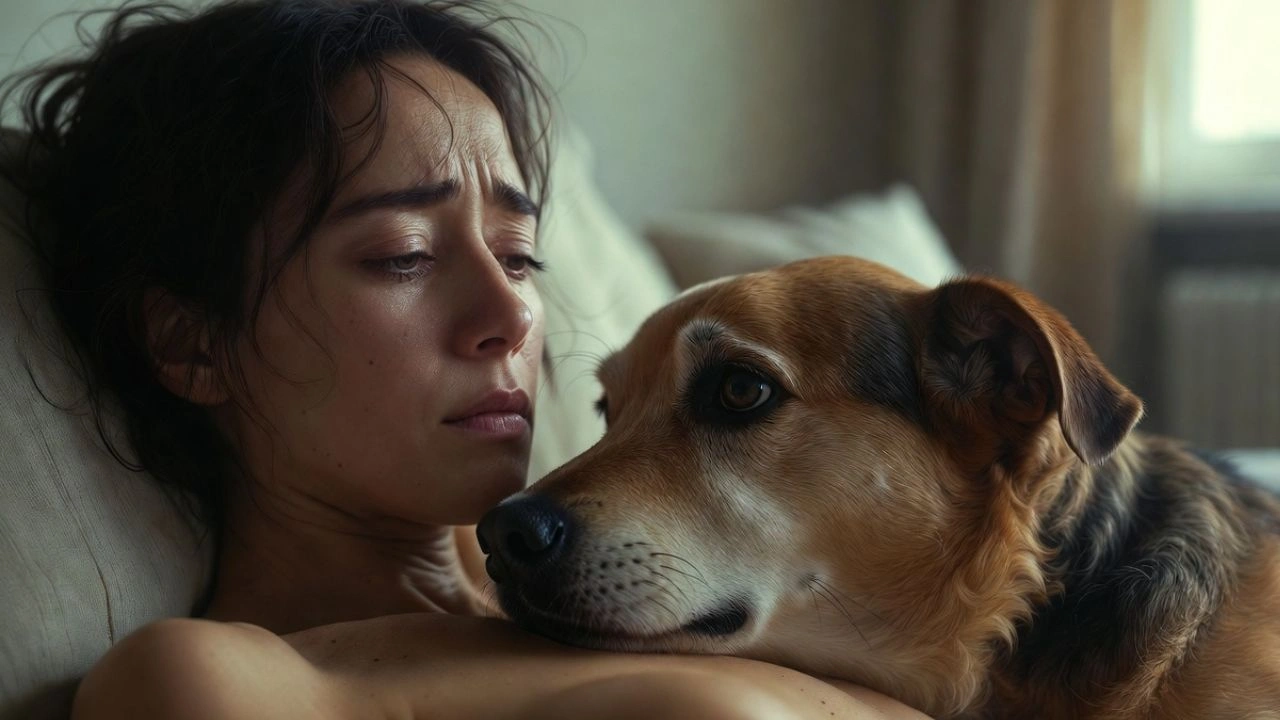
Have you ever felt low or upset and noticed your dog quietly coming closer to you? Maybe they rested their head on your lap, sat beside you, or followed you everywhere.
This is not a coincidence. Dogs are very emotionally intelligent animals, and many studies show that they can sense human emotions—especially sadness.
Even without words, your dog often knows when something is wrong. What is truly surprising is how dogs react when they feel their owner is sad, and why they do it so naturally. Let’s understand how your dog reads your emotions and what their behavior really means.
How Dogs Sense Human Emotions
Dogs may not speak our language, but they are experts at understanding body language, tone of voice, and facial expressions.
They Read Your Body Language
When you are sad, your posture changes. You may sit quietly, move slowly, or avoid eye contact. Dogs notice these small changes very quickly.
They Listen to Your Voice
A sad or tired voice sounds different from a happy one. Dogs can hear this difference and understand that your mood has changed.
They Smell Emotional Changes
Dogs have an extremely strong sense of smell. When humans feel sad or stressed, the body releases different hormones, and dogs can smell these changes easily.
The Shocking Way Dogs React When You’re Sad
When dogs sense sadness, their reactions are often emotional and caring.
They Stay Close to You
One of the most common signs is that your dog will stay near you all the time. They may sit next to you, lie at your feet, or rest their head on you.
They Become Quiet and Calm
Dogs often reduce playful behavior when they sense sadness. Instead of running around, they remain calm to match your mood.
They Offer Physical Comfort
Some dogs gently lick your hands, lean against you, or place a paw on you. This is their way of saying, “I’m here with you.”
They Watch You Closely
Dogs may stare at your face more than usual. They are trying to understand what you’re feeling and how to respond.
Why Dogs Comfort Humans Naturally
Dogs are pack animals. In the wild, pack members support each other during stress or danger. Humans are part of a dog’s pack.
Strong Emotional Bond
Dogs see their owners as family. When a family member feels sad, they feel the need to help.
Empathy in Dogs
Research suggests dogs show empathy, meaning they can feel concern for others’ emotions—even if the emotion is not their own.
Common Dog Behaviors When Owners Are Sad
| Dog Behavior | What It Means |
|---|---|
| Sitting very close | Offering comfort |
| Licking hands or face | Trying to calm you |
| Following you everywhere | Protecting and supporting |
| Becoming quiet | Matching your mood |
| Resting head on you | Showing emotional care |
Do All Dogs React the Same Way?
No. Every dog has a unique personality.
Breed and Nature Matter
Some breeds are naturally more emotional, while others show care in quiet ways.
Past Experiences
Dogs that have lived closely with humans or received love and attention often show stronger emotional responses.
Age and Training
Older dogs and well-trained dogs are usually more observant of human emotions.
How You Should Respond to Your Dog
When your dog comforts you, it helps both of you emotionally.
- Gently pet them
- Speak calmly
- Do not push them away
- Spend quiet time together
This builds trust and deepens your bond.
Dogs are more than pets; they are emotional companions. When you feel sad, your dog does not ignore it—they sense it, understand it, and respond with care. From staying close to offering silent comfort, dogs show emotional intelligence in a beautiful and natural way.
Their reactions are not trained tricks but genuine responses from the bond they share with you. Understanding this makes us realize how deeply dogs connect with human feelings and why they are often called our most loyal friends.