
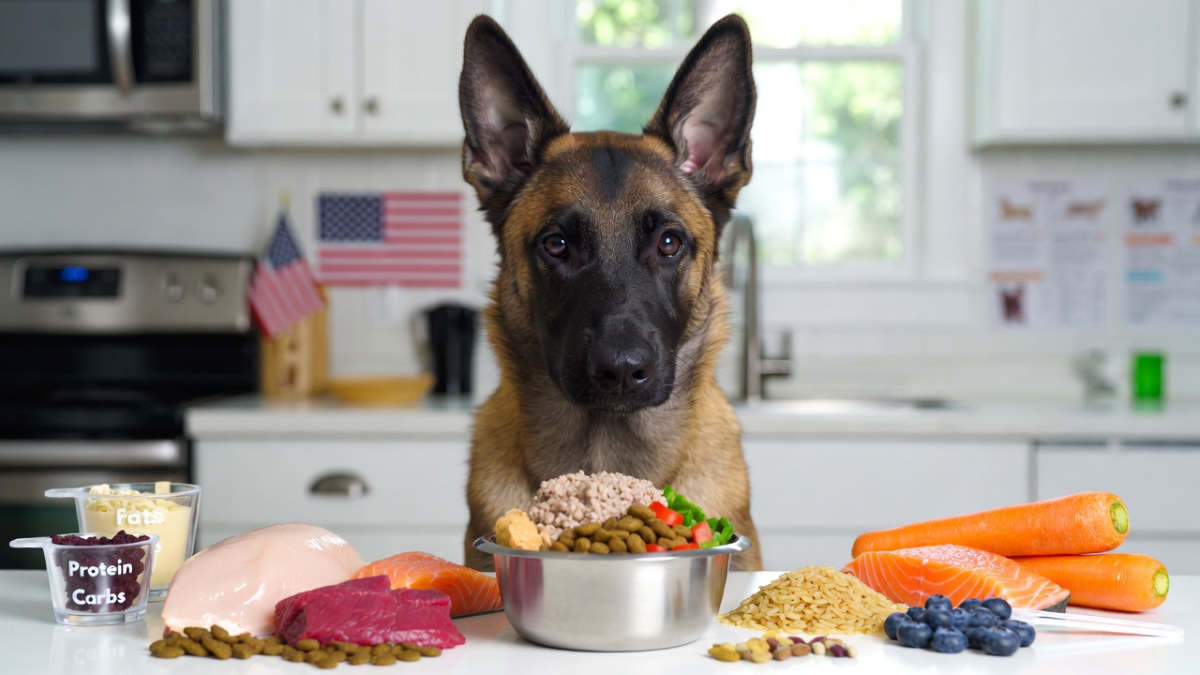
Belgian Malinois is one of the most active, smart, and sportive breeds in the United States.
Belgian Malinois is one of the most active, smart, and sportive breeds in the United States.
This dog is known to be famous in the work of a policeman, in military, on the protection training, and active family life, so it is necessary to organize a healthy diet of a dog every day to keep him always on the highest level of performance and long-term health.
It is not like feeding a Belgian Malinois is like feeding the usual dog. They have high metabolism, strong muscles and are very active and therefore require high nutrition.
This guide describes the food that Belgian Malinois consume in the USA on a daily basis, the calorie requirements, the kind of food, the amount of food, feeding times and types of food to avoid. All the information is valuable, realistic, and aligns with the existing feeding practices.
Daily Nutrition Requirement of Belgian Malinois
A Belgian Malinois requires a food that contains a high amount of protein and energy to sustain muscle fitness and stamina as well as intellectual acuity. The nutrition taken on a daily basis differs depending on age, weight and level of activity.
Key Daily Nutrition Targets
- Protein: 18-30 percent (higher in working dogs)
- Fat: 8-20 percent (sustained energy)
- Carbohydrates: Moderate, of good sources
- Energy: Calories Readjusted According to weight and activity.
Average Daily Calorie Needs
| Age Group | Weight | Daily Calories |
|---|---|---|
| Puppy | 25–45 lbs | 800–1,400 kcal |
| Adult (Pet) | 40–60 lbs | 1,200–1,800 kcal |
| Adult (Active/Working) | 60–80 lbs | 1800–2400+ kcal |
| Senior | 40–70 lbs | 1,000–1,600 kcal |
Working Malinois tend to be active and require a lot of calories to avoid loss of weight and fatigue.
Incidences of What Belgian Malinois Eat Daily
1. Luxury Commercial Canine Food
Majority of the Belgian Malinois in USA feed on high quality dry kibble with a little bit of wet food. The most suitable ones are made specifically to suit big and active breeds.
Optimal characteristics of commercial food:
- The first ingredient is real meat.
- Protein content between 25%–30%
- Wild fish or animal-origin fatty acids are considered healthy.
- No corn dumplings or fillers.
Daily portion:
Adults: 3–4 cups per day
Very active dogs: 4–6 cups per day
eaten in two sessions to aid digestion.
2. Homemade Diets
Other owners like home-cooked meals though this could be healthy in case they are well balanced.
Common household meal ingredients:
- Lean proteins: fish, beef, turkey, chicken.
- The amount of carbohydrates should be: brown rice, oats, sweet potatoes.
- Vegetables include: carrots, spinach, green beans.
- Healthy fats: fish oil, olive oil.
It is typically 2 percent to 3 percent of food body weight each day. It is important to maintain nutritional balance in order to prevent deficiencies.
3. Raw Food Diet
Belgian Malinois in the working profession are also typically raw fed.
Raw diet includes:
- Raw muscle meat
- Raw edible bones
- Organ meats
- Fruits and vegetables in small quantities.
Raw diets are able to promote coat health and energy but have to be hygienic and well balanced in terms of nutrients.
Diet Plan of Belgian Malinois
An organized meal plan will ensure that there are no problems with the digestion system and will contribute to maintaining a steady energy level.
Feeding Schedule by Age Group
| Age Group | Meals per day | Feeding Notes |
|---|---|---|
| Puppies (8 weeks-6 months) | 3-4 meals | Smaller, frequent meals. |
| Adults (6 months 7 years) | 2 meals | Morning and evening. |
| Elderly (7+ years) | 2 meals | Reduced slightly. |
Eating either just before or just after an intense exercise may cause stomach problems and as a precautionary measure, avoid eating just before or just after an exercise.
Daily Feeding Chart
| Age | Weight | Amount of food taken per day |
|---|---|---|
| Puppy (2–3 months) | 15–25 lbs | 2–3 cups |
| Puppy (4–6 months) | 25–40 lbs | 3–4 cups |
| Adult | 40–60 lbs | 3–4 cups |
| Active Adult | 60–80 lbs | 4–6 cups |
| Senior | 40–70 lbs | ~3 cups |
The amount of food may be different according to the number of calories and personal metabolism.
Supplements Commonly Given
Numerous Belgian Malinois have been enjoying dietary supplements, particularly active dogs.
Common supplements include:
- Coat and joints Omega -3 fatty acids.
- i.e. for joint support glucosamine, chondroitin.
- Probiotics for digestion
Always vary supplement depending on age and the activity level.
Foods that Belgian Malinois must never eat
There are dangerous foods that are to be avoided:
- Chocolate and caffeine
- Grapes and raisins
- Onions and garlic
- Sugary desserts
- Cooked bones
These may lead to severe digestive, neurological or organ issues.
The daily nutrition of a Belgian Malinois in the USA should be properly designed to fit the superiority of energy and intelligence of the breed.
Regardless of whether it is the high-end commercial food, home cooked food, or the raw diet, it is high protein content, balanced nutrition, right portion size, and regular meal times. Belgian Malinois are healthy, strong and focused throughout their lives when properly fed.