
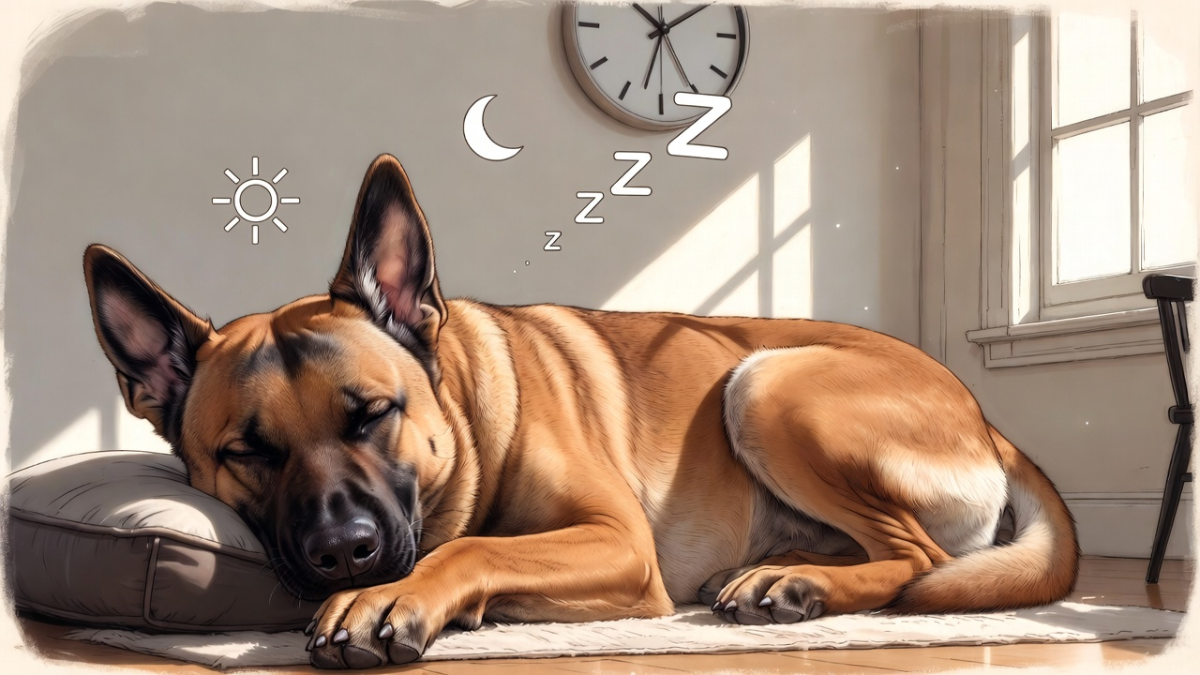
Understanding how many hours a Belgian Malinois sleeps is important for maintaining their health and performance. This intelligent and energetic working breed has specific sleep requirements that vary by age, activity level, and lifestyle.
Average Sleep Hours of a Belgian Malinois
On average, a Belgian Malinois sleeps 10 to 16 hours per day. Unlike humans, dogs sleep in short cycles, combining nighttime sleep with multiple daytime naps. Despite their high energy, proper rest is essential for muscle recovery, brain function, and emotional balance.
Sleep by Age Group
Puppies
A Belgian Malinois puppy sleeps 18 to 20 hours daily. Rapid growth, learning, and development require extended rest. Frequent naps throughout the day are completely normal.
Adult Dogs
Healthy adult Malinois usually sleep 10 to 14 hours per day. Working or highly active dogs may sleep slightly less but still need adequate recovery time.
Senior Dogs
Senior Belgian Malinois often sleep 14 to 18 hours daily due to slower metabolism and joint fatigue. Increased napping is common with age.
Belgian Malinois Sleep Information
| Life Stage | Daily Sleep Hours | Key Characteristics |
|---|---|---|
| Puppy | 18–20 hours | Rapid growth, frequent naps |
| Adult | 10–16 hours | Balanced sleep and activity |
| Senior | 14–18 hours | More rest and daytime naps |
Why Sleep Is Important
Adequate sleep supports strong immunity, mental focus, behavioral stability, and physical endurance. Poor sleep can lead to hyperactivity, stress, and health issues in this breed.
A Belgian Malinois requires structured activity and proper rest to stay healthy. Depending on age and lifestyle, they sleep between 10 and 20 hours per day. Monitoring sleep patterns helps ensure your dog remains energetic, alert, and emotionally balanced.
FAQs
Do Belgian Malinois sleep more than other breeds?
They sleep a similar amount but require higher-quality rest due to intense activity levels.
Is excessive sleeping a concern?
Only if accompanied by lethargy, appetite loss, or behavior changes.
Can exercise improve sleep quality?
Yes, daily physical and mental stimulation greatly improves sleep consistency and depth.