
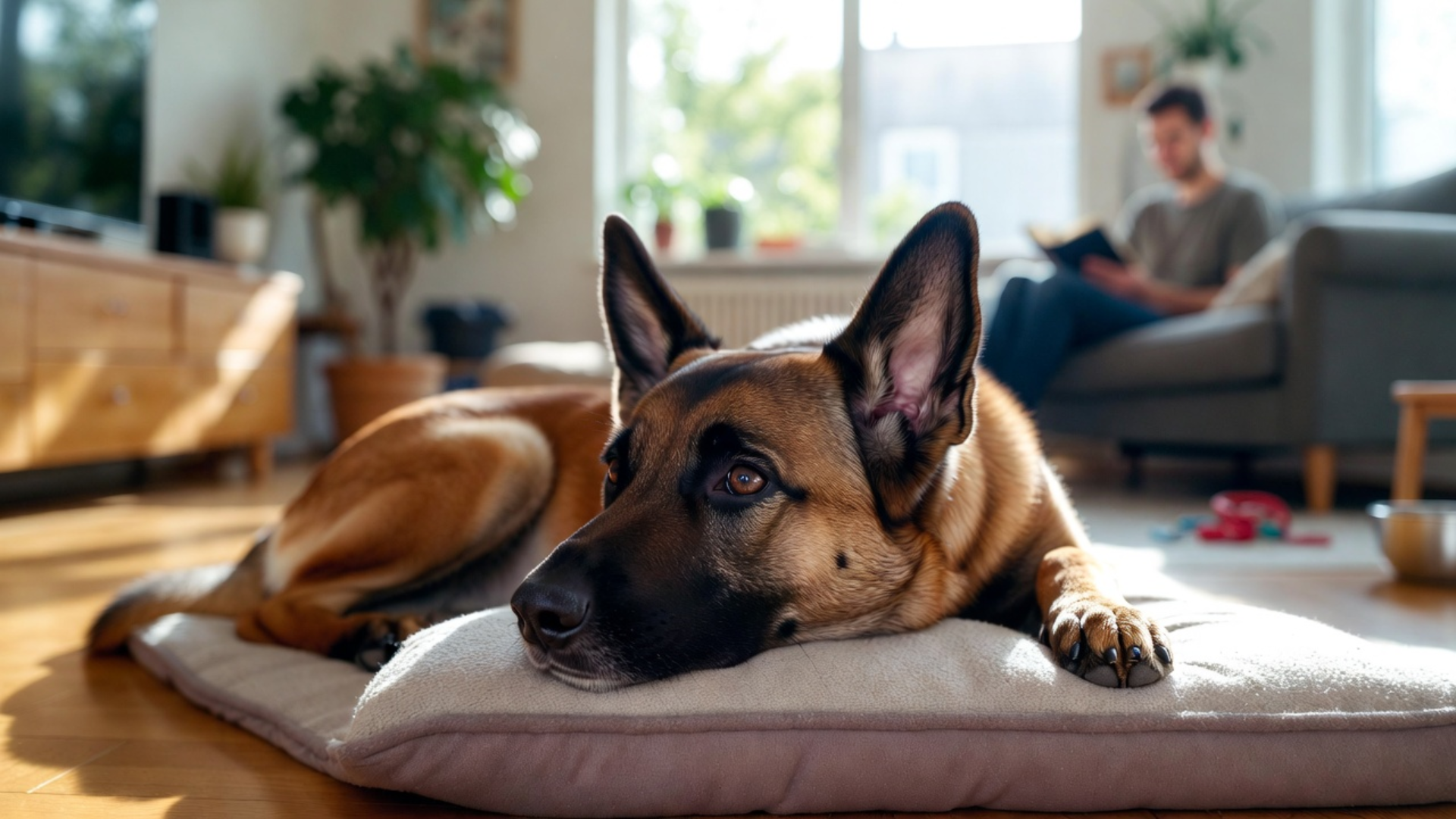
The Belgian Malinois is one of the most intelligent, athletic, and driven dog breeds in the world. Known for excelling in police, military, and protection work, this breed is admired for its loyalty and focus.
However, these same traits often make owners struggle with one big question: how do you keep a Malinois calm at home?
The truth is simple but demanding — a calm Malinois is not created by luck, but by proper structure, daily exercise, mental stimulation, and consistent training. This article explains every real, practical, and proven detail you need to raise a calm, balanced Malinois at home.
Understanding the Belgian Malinois Temperament
The Belgian Malinois is a high-energy working dog bred for endurance, intelligence, and responsiveness. Unlike low-energy companion breeds, Malinois are designed to work for hours every day.
Key temperament traits include:
- Extremely high intelligence
- Strong drive and work ethic
- Natural alertness and vigilance
- Deep loyalty to family
- Fast reaction to movement and sound
Because of this, a Malinois that does not receive proper outlets for energy and focus will often develop restlessness, anxiety, excessive barking, chewing, or destructive behavior. Calmness does not come naturally to this breed — it is trained and managed.
Why Malinois Become Hyper at Home
A Malinois that seems “out of control” indoors is usually suffering from one or more of the following:
- Lack of physical exercise
- Lack of mental stimulation
- Inconsistent rules or training
- Too much excitement without structure
- No clear routine or downtime
Understanding this is crucial: bad behavior is usually unmet needs, not disobedience.
Essentials for a Calm Belgian Malinois at Home
| Factor | Required Level | Effect on Calmness |
|---|---|---|
| Daily Exercise | 90–120+ minutes | Reduces excess energy |
| Mental Stimulation | Daily | Prevents boredom and anxiety |
| Obedience Training | Ongoing | Builds impulse control |
| Routine | Fixed schedule | Creates emotional stability |
| Calm Reinforcement | Consistent | Teaches relaxed behavior |
| Living Environment | Indoor, family-oriented | Reduces stress |
| Downtime | Scheduled rest | Prevents overstimulation |
The Role of Exercise in Creating Calmness
The single most important secret to a calm Malinois is proper exercise. A casual walk is not enough for this breed.
Recommended Physical Activity
A Belgian Malinois needs at least 90 to 120 minutes of intense exercise daily, which may include:
- Running or jogging
- Fetch with long distances
- Agility training
- Tug games with rules
- Structured play sessions
Breaking exercise into multiple sessions (morning, afternoon, evening) is far more effective than one long session.
A tired Malinois is not a lazy dog — it is a mentally settled and emotionally balanced dog.
Mental Stimulation: The Missing Key
Many owners exercise their Malinois physically but forget mental work, which is equally important.
Best Mental Activities
- Puzzle toys that require problem-solving
- Scent work and nose games
- Obedience drills with commands and duration
- Agility obstacles that require thinking
- Task-based games, such as carrying items or searching
Mental stimulation drains energy faster than physical exercise and directly improves calmness inside the home.
Training Techniques That Teach Calm Behavior
1. Impulse Control Training
Impulse control is the foundation of a calm Malinois. This teaches the dog to pause, think, and wait instead of reacting instantly.
Key commands include:
- Sit and stay
- Wait at doors
- Leave it
- Place command (go to bed and relax)
Practicing these daily builds patience and self-control.
2. Reward Calmness, Ignore Excitement
Malinois quickly learn what gets attention. If jumping, whining, or barking gets a reaction, those behaviors increase.
Instead:
- Give attention only when the dog is calm
- Reward lying down, relaxing, or sitting quietly
- Ignore over-excited behavior until calmness returns
This teaches the dog that calm behavior brings rewards.
3. Structure and Daily Routine
Belgian Malinois thrive on predictability. A fixed routine reduces anxiety and overstimulation.
A balanced day includes:
- Exercise
- Training
- Meals
- Mental work
- Scheduled rest
When dogs know what comes next, they relax more easily.
Creating the Right Home Environment
A calm Malinois needs the right environment to support training.
Home Setup Tips
- Keep your Malinois inside with the family
- Provide a designated rest area or bed
- Use crates or baby gates for controlled calm time
- Offer safe chew toys for relaxation
- Avoid constant noise or chaos indoors
Isolation or boredom often leads to anxious behavior.
The Importance of Downtime
One mistake many owners make is over-stimulating their Malinois all day. Just like children, dogs need to learn how to switch off.
Teach your Malinois that:
- Resting is allowed
- Doing nothing is okay
- Calm time is part of the routine
This prevents overstimulation and improves emotional control.
Common Mistakes to Avoid
- Relying only on short walks
- Skipping mental stimulation
- Inconsistent rules in the house
- Encouraging rough play indoors
- Using harsh punishment
Calmness Is a Skill, Not a Trait
It is important to understand that calmness in a Belgian Malinois is a learned skill, not an inborn trait. This breed does not naturally settle without guidance, structure, and leadership.
When owners consistently meet their dog’s physical and mental needs, reinforce calm behaviors, and maintain a predictable routine, the Malinois learns how to regulate its own energy.
Over time, this creates a dog that can switch effortlessly between high performance outdoors and relaxed behavior indoors. A calm Malinois is not suppressed or exhausted — it is confident, fulfilled, and mentally satisfied, making life at home peaceful for both the dog and the owner.
Punishment does not calm a Malinois — clear structure and positive reinforcement do.
The secret to a calm Malinois at home is not magic, medication, or luck. It is intentional management.
When you meet their physical needs, challenge their minds, train impulse control, and maintain a consistent routine, the Belgian Malinois transforms from a restless whirlwind into a focused, calm, and loyal companion.
A calm Malinois is not less driven — it is properly fulfilled. With commitment and consistency, calmness becomes a natural part of daily life.
FAQs
Can a Belgian Malinois really be calm indoors?
Yes. With sufficient exercise, mental stimulation, and structured training, a Malinois can be calm, relaxed, and well-behaved inside the home.
How much daily exercise does a Malinois need to stay calm?
Most Malinois require 90 to 120 minutes or more of structured physical activity every day to remain settled.
Why is my Malinois still hyper after exercise?
This usually means a lack of mental stimulation or impulse control training. Physical exercise alone is not enough for this breed.