
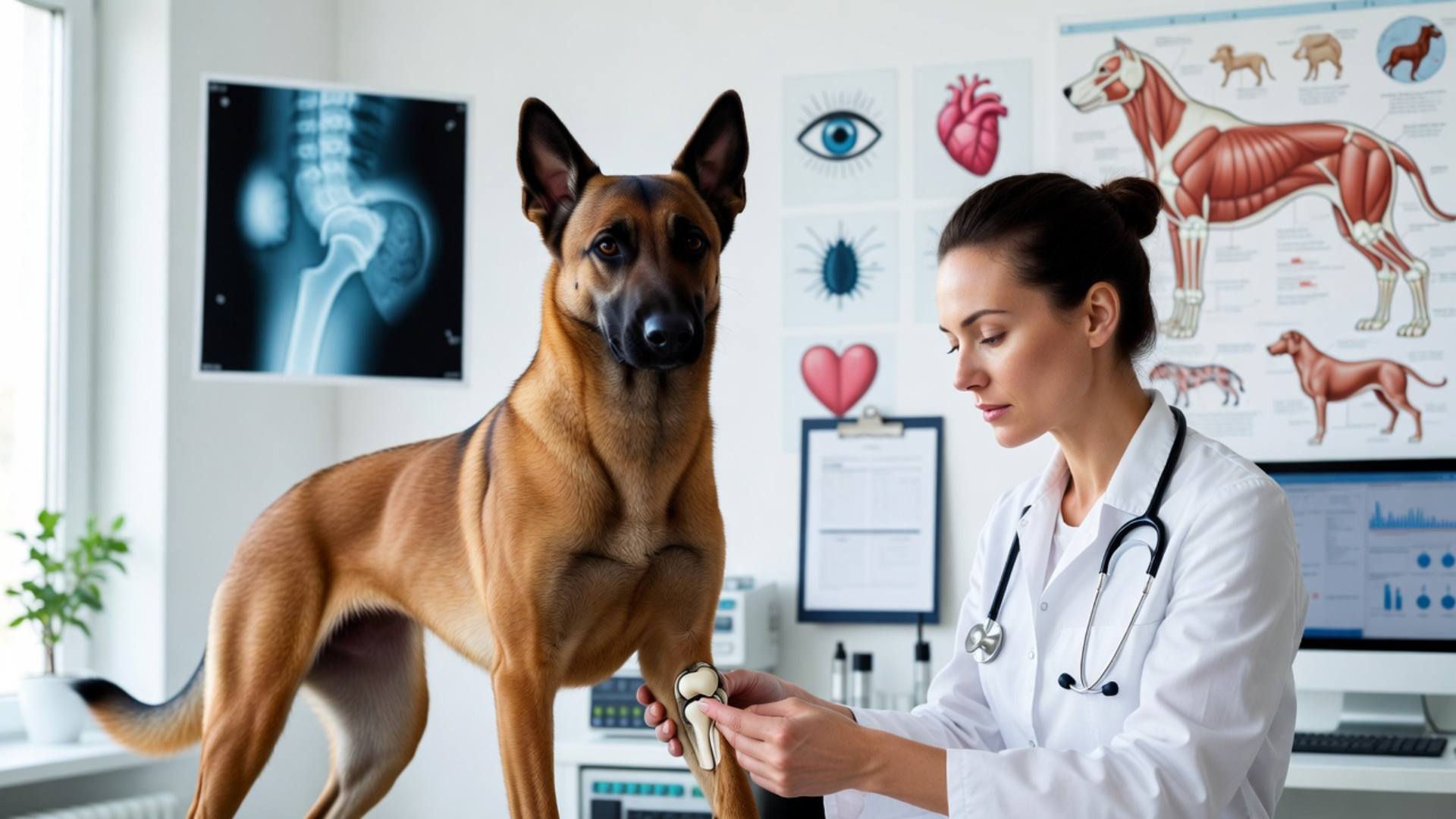
The Belgian Malinois is a highly intelligent and athletic working breed with an average lifespan of 10–14 years. While generally healthy, this breed is prone to several genetic and lifestyle-related health problems. Understanding these risks helps owners ensure early detection, proper treatment, and a longer life.
Common Joint Problems: Hip and Elbow Dysplasia
Hip dysplasia and elbow dysplasia are inherited conditions affecting about 3%–7% of Belgian Malinois. These disorders occur when joints develop improperly, leading to arthritis, stiffness, pain, and mobility issues.
Symptoms often appear between 6 months and 2 years of age. Maintaining proper weight and avoiding excessive stress during growth can reduce severity.
Life-Threatening Bloat (Gastric Dilatation-Volvulus)
Bloat is a serious emergency where the stomach fills with gas and twists. It can become fatal within 2–6 hours if untreated. Warning signs include swollen abdomen, drooling, restlessness, and rapid breathing. Feeding smaller meals and avoiding exercise immediately after eating helps lower risk.
Neurological Disorders and Epilepsy
About 2%–5% of Belgian Malinois may develop epilepsy, causing seizures due to abnormal brain activity. Other neurological conditions, such as degenerative myelopathy, can affect coordination and mobility in older dogs, typically after 7 years of age.
Eye, Thyroid, and Skin Conditions
Belgian Malinois can develop Progressive Retinal Atrophy (PRA), leading to gradual vision loss. Hypothyroidism may cause weight gain, fatigue, and hair thinning. Additionally, allergic skin conditions can lead to itching, redness, and infections.
Health Risk Summary
| Health Problem | Average Age of Onset | Symptoms | Severity |
|---|---|---|---|
| Hip Dysplasia | 6–24 months | Limping, stiffness | Moderate–Severe |
| Elbow Dysplasia | 4–12 months | Joint pain, swelling | Moderate |
| Bloat (GDV) | Any age | Swollen stomach, distress | Critical |
| Epilepsy | 1–5 years | Seizures | Moderate |
| PRA Eye Disease | 3–7 years | Vision loss | Serious |
| Hypothyroidism | 4–8 years | Weight gain, fatigue | Moderate |
Prevention and Care Tips
Regular vet checkups, proper nutrition, controlled exercise, and genetic screening are essential. Maintaining a healthy weight reduces joint stress by up to 30%, significantly lowering arthritis risk.
The Belgian Malinois is a strong and resilient breed, but it faces risks such as joint disorders, neurological conditions, bloat, and eye diseases.
Early diagnosis, proper diet, and regular veterinary care can prevent severe complications. With responsible care, most Belgian Malinois live active, healthy lives well into their senior years.
FAQs
What is the most common health issue in Belgian Malinois?
Hip and elbow dysplasia are the most common inherited joint problems in this breed.
Is bloat common in Belgian Malinois?
Bloat is not frequent but is extremely dangerous and requires immediate emergency treatment.
How can I keep my Belgian Malinois healthy?
Provide balanced nutrition, regular exercise, routine vet visits, and genetic health screening.