
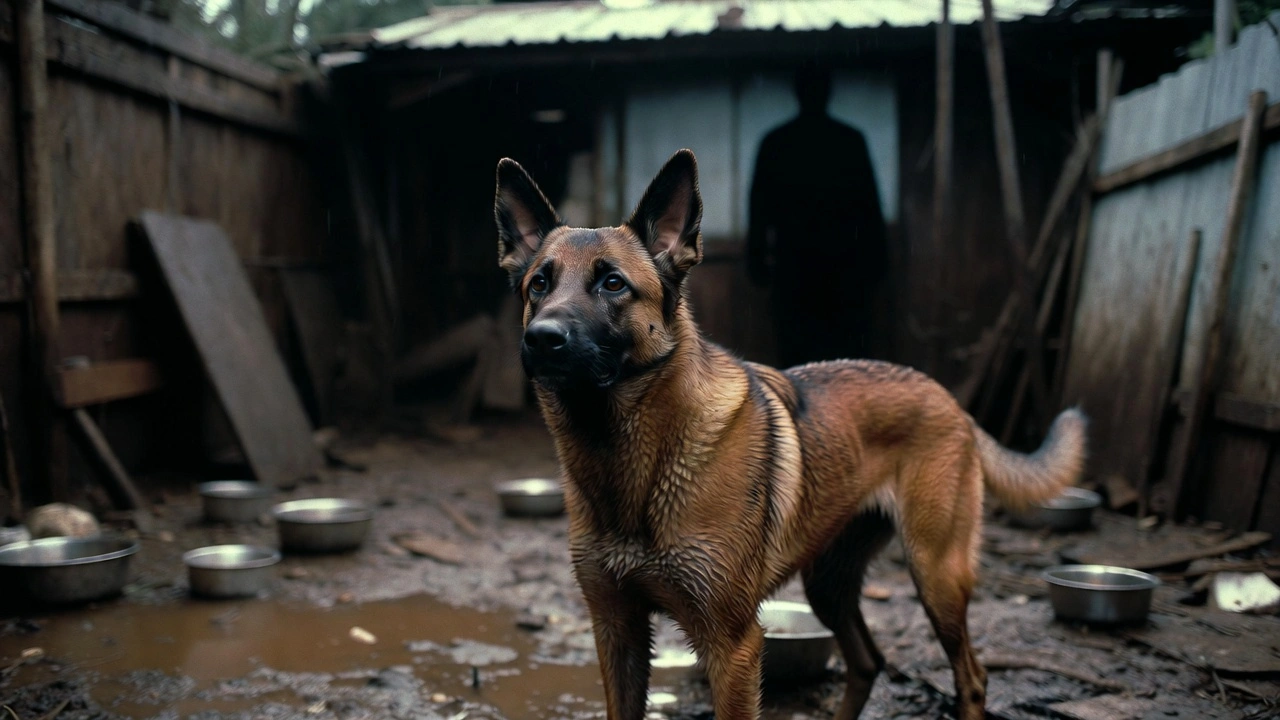
The Belgian Malinois is one of the most respected working dog breeds in the world—known for intelligence, loyalty, and unmatched drive.
But behind this reputation lies a serious and often ignored problem: bad breeders who prioritize profit over the health, temperament, and future of these powerful dogs.
For many new owners, the excitement of bringing home a Malinois quickly turns into stress, behavioral issues, or expensive medical problems. In most cases, the root cause traces back to irresponsible breeding practices.
Profit Over Purpose
Responsible Malinois breeding requires deep knowledge of genetics, temperament testing, working ability, and long-term health. Ethical breeders carefully select parents, perform health screenings, and raise puppies in structured environments.
Bad breeders do the opposite.
They often:
- Breed dogs too frequently
- Ignore genetic health testing
- Sell puppies too young
- Focus only on appearance or quick sales
- Provide no guidance after purchase
The result is puppies that may look impressive—but carry hidden physical or behavioral risks.
The Hidden Behavioral Dangers
Because Malinois are intense working dogs, stable temperament is critical. Poor breeding can produce dogs that are:
- Extremely anxious or fearful
- Unpredictably aggressive
- Impossible to train
- Mentally unstable under stress
These issues don’t just frustrate owners—they can become serious safety concerns, especially in homes with children or inexperienced handlers.
Sadly, many of these dogs end up surrendered to shelters or rescue groups when families realize they cannot manage them.
Health Problems That Appear Too Late
Another dark reality of irresponsible breeding is genetic illness. Without proper screening, Malinois puppies may develop:
- Hip or elbow dysplasia
- Nerve or spine disorders
- Vision problems
- Chronic allergies or immune issues
These conditions often appear months or years later—long after the breeder has disappeared or refused responsibility.
The emotional and financial cost for owners can be devastating.
How to Spot a Bad Breeder
Knowing the warning signs can save years of regret. Be cautious if a breeder:
- Refuses health certificates or pedigree proof
- Will not show the puppy’s parents
- Pushes for quick payment or shipping
- Has multiple litters available at once
- Avoids questions about training or temperament
A trustworthy breeder will ask you questions too, ensuring the dog is going to the right home.
Why This Matters for the Breed’s Future
Irresponsible breeding doesn’t just harm individual dogs—it damages the entire reputation of the Malinois. When unstable or unhealthy dogs enter normal households, negative stories spread, and the breed is unfairly labeled dangerous.
Protecting the Malinois means supporting ethical breeders, rescues, and informed ownership.
Final Thoughts
The real danger isn’t the Malinois itself—it’s the people breeding them without knowledge, care, or responsibility.
Choosing the right breeder is the single most important decision a future owner can make. Done correctly, a Malinois becomes an extraordinary partner. Done wrong, the consequences can last a lifetime.