
If you are a dog owner, you probably believe you are feeding your dog the right way. After all, you love your pet and want them to stay healthy and happy. But here is a surprising truth: most dog owners unknowingly make big feeding mistakes every day.
These mistakes may look small, but over time, they can affect your dog’s health, weight, digestion, and even lifespan.
Many people follow advice from friends, social media, or pet food ads without understanding what dogs truly need.
Some owners overfeed, some underfeed, and others feed at the wrong time or in the wrong way. The result? Dogs that suffer silently from obesity, weak immunity, stomach issues, or low energy.
In this article, we will clearly explain the most common dog feeding rule people get wrong, why it matters so much, and how you can fix it easily. This guide is written in easy, everyday English, so even a 15-year-old can understand it without confusion.
The Biggest Dog Feeding Rule Most Owners Get Wrong
Feeding Based on Habit, Not Need
The biggest mistake dog owners make is feeding their dog based on habit instead of actual need. Many people feed their dog the same amount every day without thinking about:
- Dog’s age
- Dog’s size and breed
- Dog’s activity level
- Dog’s health condition
For example, a young, active dog needs more energy than an older dog who sleeps most of the day. Feeding both dogs the same amount is not healthy.
Why Overfeeding Is More Dangerous Than You Think
Hidden Risks of Too Much Food
Many owners believe that a “chubby dog is a happy dog.” This is completely wrong. Overfeeding is one of the biggest health risks for dogs.
Overfed dogs may suffer from:
- Obesity
- Joint pain
- Heart problems
- Diabetes
- Breathing issues
Extra weight puts pressure on your dog’s bones and organs. Over time, this can shorten your dog’s life and reduce their quality of living.
Underfeeding Is Also a Serious Problem
When Less Food Becomes Harmful
Some owners, especially first-time dog parents, give less food thinking it will keep the dog slim. But underfeeding is equally harmful.
Underfed dogs may show:
- Low energy
- Weak immunity
- Poor coat condition
- Slow growth (in puppies)
Dogs need balanced nutrition, not just less food.
Understanding the Right Feeding Amount
Feeding Depends on Many Factors
There is no “one-size-fits-all” rule for dog feeding. The correct amount depends on multiple things.
Here is a simple table to help you understand better:
| Factor | How It Affects Feeding |
|---|---|
| Age | Puppies need more frequent meals |
| Size | Large dogs eat more than small dogs |
| Activity Level | Active dogs burn more calories |
| Health Condition | Sick or senior dogs may need special diets |
| Type of Food | Dry food and wet food have different portions |
Always check the feeding guide on the dog food packet, but do not follow it blindly. Use it as a starting point.
Meal Timing Matters More Than You Think
Fixed Schedule Is Important
Another common mistake is feeding dogs at random times. Dogs feel safe when they have a routine.
Best practice:
- Adult dogs: 2 meals per day
- Puppies: 3–4 small meals per day
Avoid feeding late at night, as it can disturb digestion and sleep.
Treats Can Ruin a Healthy Diet
Treats Are Food Too
Many owners forget that treats also contain calories. Giving too many treats can quickly lead to weight gain.
Simple rule:
- Treats should be less than 10% of daily food intake
- Avoid feeding table scraps
Instead, use healthy options like small pieces of carrot or apple (without seeds).
How to Fix Your Dog’s Feeding Routine Today
Simple Steps That Make a Big Difference
You do not need to become an expert to feed your dog correctly. Just follow these basic steps:
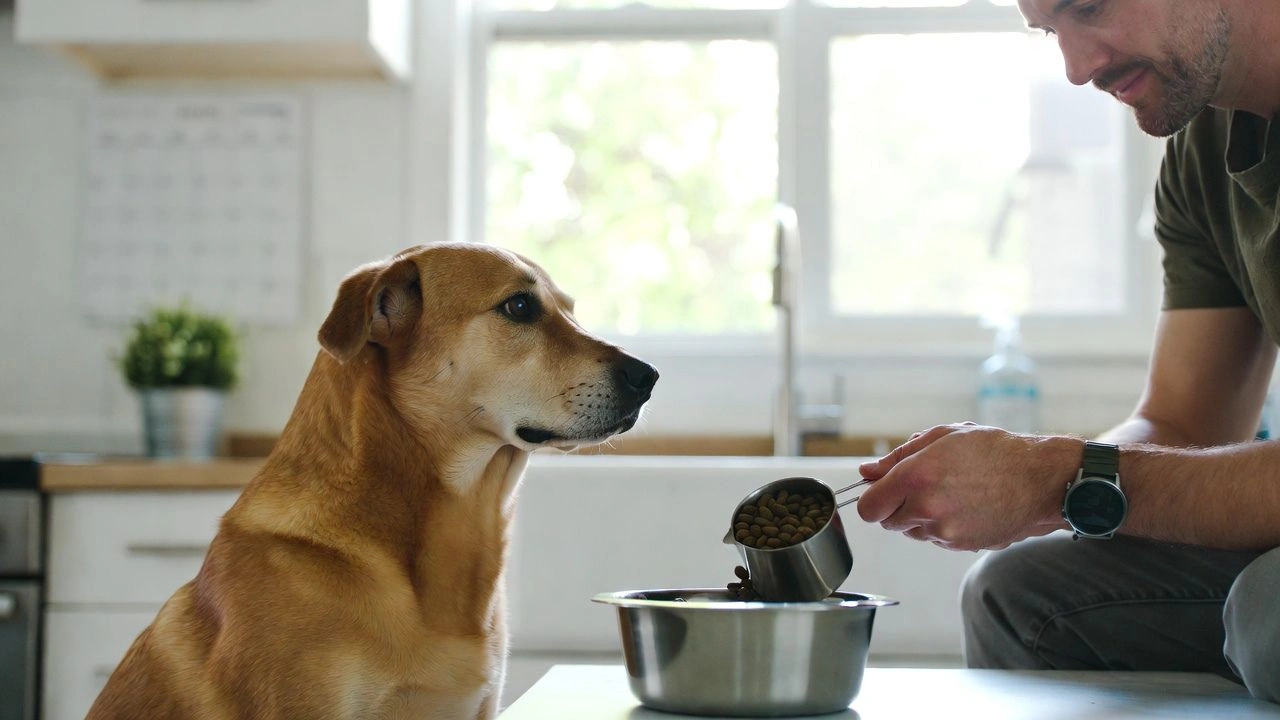
- Measure food using a cup
- Adjust food based on activity
- Reduce treats
- Watch your dog’s weight monthly
- Talk to a vet if unsure
Small changes can bring big health improvements.
Feeding your dog correctly is not about giving more food or expensive food. It is about giving the right amount at the right time, based on your dog’s real needs.
Many dog owners make feeding mistakes without knowing it, but the good news is that these mistakes are easy to fix.
By understanding your dog’s age, size, activity, and health, you can build a feeding routine that keeps your dog active, happy, and healthy for years. A well-fed dog is not the fattest dog—it is the healthiest dog.