
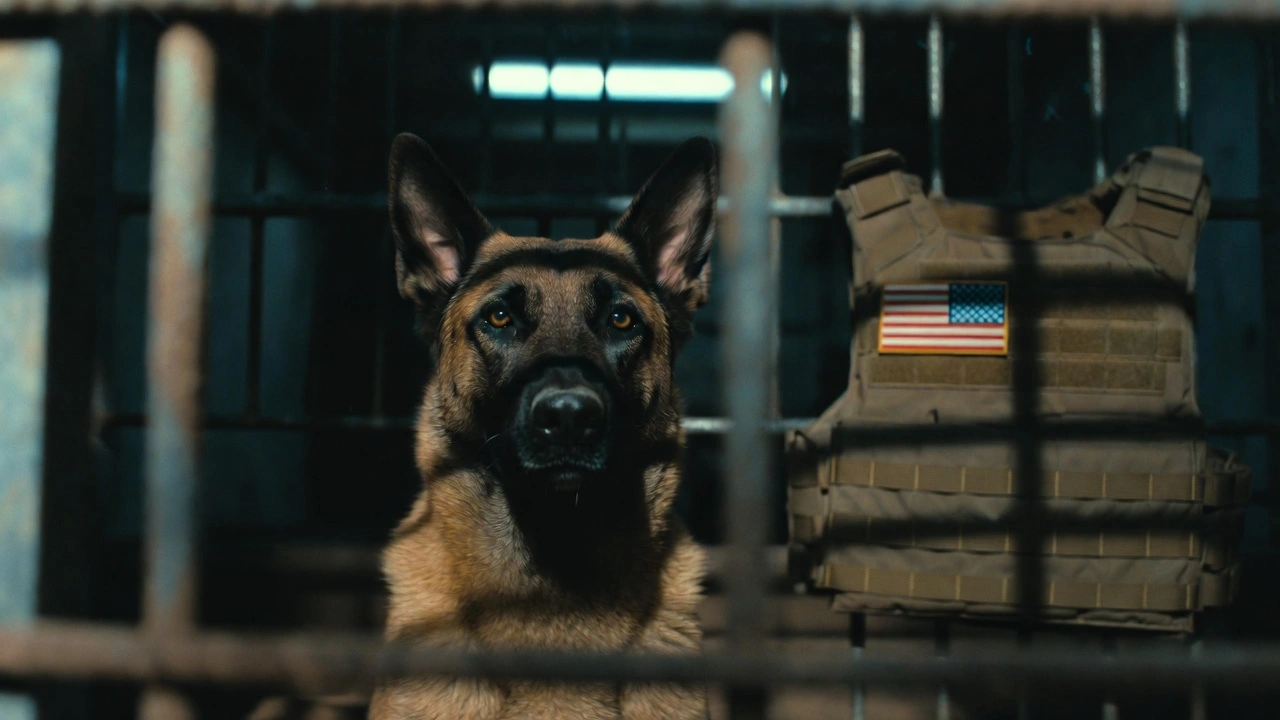
When people think about the US military, they usually imagine soldiers protecting the nation. But many forget that military working dogs also play a very important role. These dogs are trained to detect bombs, track enemies, and guard military bases. They serve bravely alongside soldiers.
However, a recent report from a Pentagon watchdog has revealed troubling information. According to the investigation, some US military dogs died in poor kennel conditions, while others became sick because of weak supervision and lack of proper care.
This report has raised serious questions about animal welfare and how service animals are treated in military facilities.
What Did the Pentagon Watchdog Discover?
The investigation was conducted by the Department of Defense Inspector General, which checks whether military departments follow proper rules and standards.
The report found several problems:
- Unsanitary and poorly maintained kennel areas
- Ventilation issues inside facilities
- Delays in medical treatment
- Weak monitoring of dog health
- Lack of regular inspections
Sadly, these issues led to illness in some dogs and even deaths in certain cases. The watchdog clearly stated that better management and oversight could have prevented these outcomes.
Why Military Working Dogs Are So Important
Highly Trained Professionals
Military working dogs (MWDs) are not normal pets. They go through months of strict training. These dogs are capable of:
- Detecting explosives and weapons
- Tracking suspects
- Helping in search and rescue missions
- Protecting military bases and troops
Their skills often help save human lives during dangerous missions.
Loyal Partners in Combat Zones
In war zones, military dogs protect soldiers from hidden threats like roadside bombs. Because of their powerful sense of smell and sharp instincts, they are considered valuable members of the armed forces.
That is why their safety and health should never be ignored.
Problems Found in Kennel Conditions
The watchdog report explained that some kennel facilities did not meet proper standards.
Below is a simple table explaining the issues and their impact:
| Issue Identified | Effect on Dogs |
|---|---|
| Poor sanitation | Increased risk of infection |
| Weak ventilation | Breathing problems |
| Delayed medical care | Worsening illness |
| Lack of inspection | Problems remained unnoticed |
When cleanliness and health monitoring are not handled properly, animals can suffer quickly.
How Did Dogs Become Ill?
The report mentioned that infections spread more easily because of poor hygiene. When kennel areas are not cleaned regularly, bacteria and viruses can grow.
Some additional concerns included:
- Symptoms were not noticed early
- Health records were incomplete
- Veterinary care was not always immediate
The watchdog emphasized that proper veterinary supervision and strict hygiene rules are necessary for protecting service animals.
What Actions Will the Pentagon Take?
After the report became public, the Department of Defense said it would make improvements.
Officials have promised to:
- Improve kennel maintenance standards
- Increase inspection frequency
- Strengthen veterinary oversight
- Hold responsible officials accountable
The goal is to prevent such incidents from happening again and to restore trust in the system that protects military working dogs.
Why This Issue Matters
This issue is not just about animals. It is about responsibility and respect. Military dogs risk their lives just like soldiers. They deserve proper care, safe housing, and timely medical treatment.
Public reaction has been strong because many people believe these service animals deserve dignity. Animal welfare supporters are also asking for stronger transparency and better protection standards.
The Bigger Picture
The Pentagon watchdog report highlights the importance of:
- Strong military oversight
- Clear accountability systems
- Regular health inspections
- Humane treatment of service animals
When rules are not followed carefully, serious consequences can happen. This report serves as a reminder that proper care systems must always be maintained.
The report about US military dogs dying in poor kennel conditions is deeply concerning. These dogs are highly trained professionals who protect soldiers and support national security missions.
According to the Pentagon watchdog, poor sanitation, weak ventilation, and delayed medical care played a role in illness and deaths.
Moving forward, stronger inspections, better hygiene standards, and improved veterinary monitoring are necessary. Service animals deserve respect, safety, and dignity.
If the promised improvements are implemented properly, similar tragedies can be prevented in the future. Protecting those who serve — whether human or animal — must always remain a priority.