
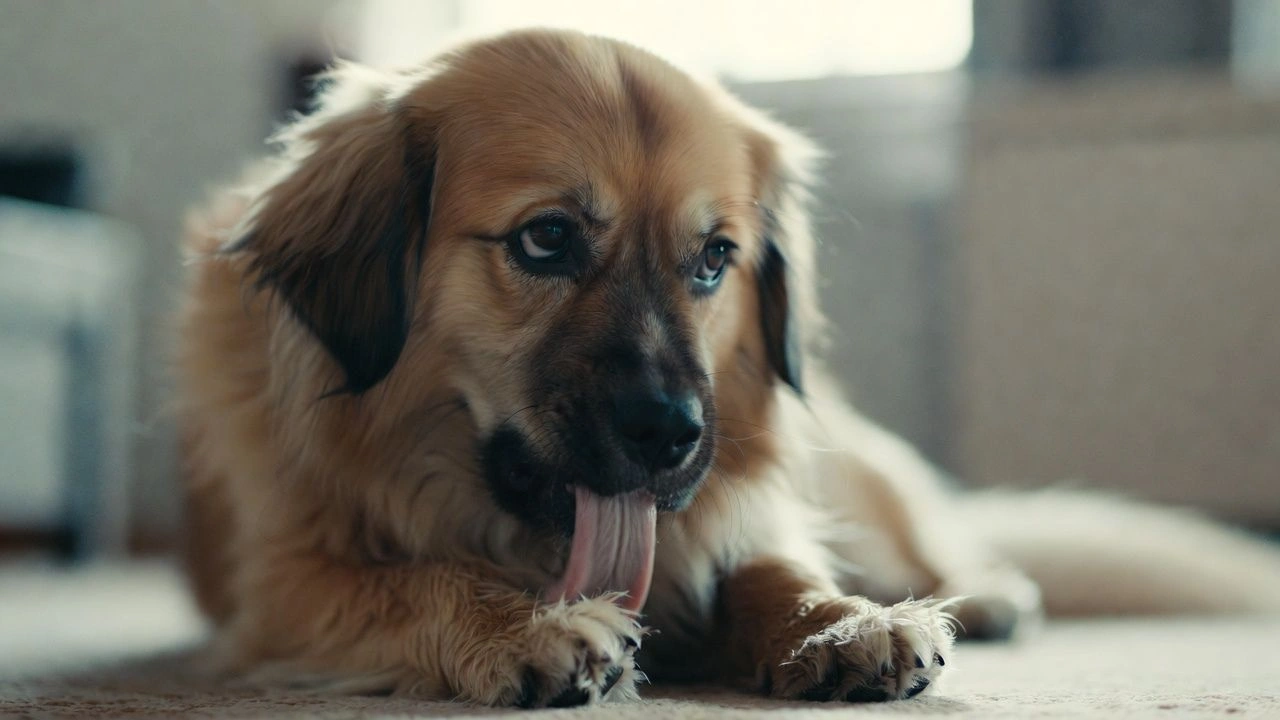
Dogs cannot speak like humans, but they communicate every day through their behavior. Many pet owners think certain habits are “normal” or “just cute,” but veterinarians warn that one very common dog habit can be a serious cry for help.
Sadly, this signal is often ignored until the problem becomes worse.
Common Dog Habit: If you have a dog at home, this article is important for you. Understanding why your dog behaves a certain way can help you protect their health, happiness, and even their life. Let’s break this down in a simple way so every dog owner can understand and act in time.
What Is the Common Dog Habit Vets Are Worried About?
The habit that worries vets the most is excessive licking.
This includes:
- Licking their paws again and again
- Licking furniture, floors, or walls
- Licking people nonstop
- Licking the same body spot until fur is gone
Many owners think this is harmless, but constant licking is NOT normal behavior.
Why Excessive Licking Is a Serious Warning Sign
It Often Means Your Dog Is in Pain
Common Dog Habit: Dogs hide pain very well. Licking is their way of soothing discomfort. If your dog keeps licking one area, it may be because:
- There is internal pain
- Muscles or joints hurt
- There is an injury you cannot see
It Can Signal Skin Allergies
One of the most common causes of excessive licking is allergies. These can be:
- Food allergies
- Dust or pollen allergies
- Flea allergies
Allergies make the skin itchy and uncomfortable, forcing dogs to lick constantly.
Mental Health Matters for Dogs Too
Stress, Anxiety, and Boredom
Just like humans, dogs can feel stress, fear, and loneliness. Licking releases calming chemicals in the brain, so dogs use it to feel better.
Common emotional causes include:
- Being left alone too long
- Sudden changes at home
- Loud noises
- Lack of exercise or attention
An anxious dog often licks more than a relaxed dog.
When Licking Becomes Dangerous
Common Dog Habit: Excessive licking can lead to:
- Open wounds
- Skin infections
- Hair loss
- Bleeding
- Hot spots (painful red skin patches)
Once this cycle starts, it becomes harder to stop without medical help.
Common Causes of Excessive Licking in Dogs
| Cause | What It Means | Action Needed |
|---|---|---|
| Allergies | Skin irritation and itching | Vet check, diet change |
| Pain | Joint, muscle, or internal pain | Medical exam |
| Anxiety | Stress or fear | Training, comfort |
| Boredom | No mental stimulation | More play, walks |
| Infection | Bacterial or fungal issue | Immediate vet care |
What Vets Want Dog Owners to Do
Veterinarians are asking owners to stop ignoring excessive licking. If you notice this habit:
- Observe the pattern – when and where it happens
- Check the skin for redness or wounds
- Visit a vet early – do not wait
Early treatment is cheaper, easier, and less painful for your dog.
How You Can Help Your Dog at Home
- Give daily exercise
- Spend quality time together
- Maintain a healthy diet
- Keep your dog mentally active
- Watch for changes in behavior
Your attention can prevent serious health problems.
Common Dog Habit: Excessive licking is not just a small habit—it is often a silent cry for help from your dog. Whether the cause is pain, allergies, anxiety, or boredom, ignoring it can lead to serious health issues. Dogs depend on humans to understand their signals and act in time.
By noticing changes early and seeking veterinary care, you can protect your dog’s physical and emotional well-being. A little awareness today can save your pet from pain tomorrow.