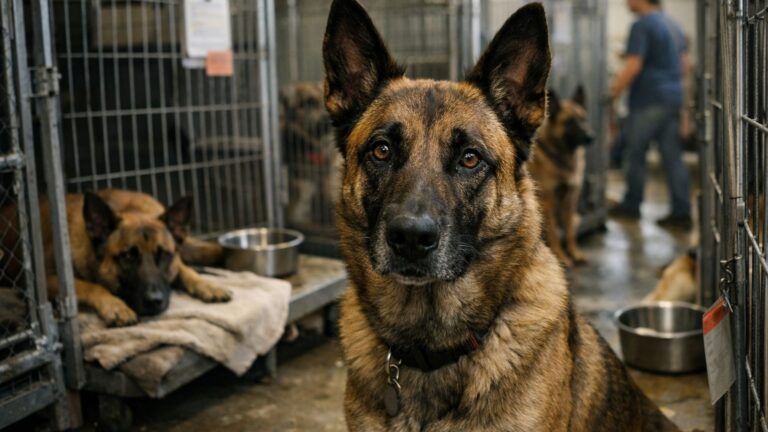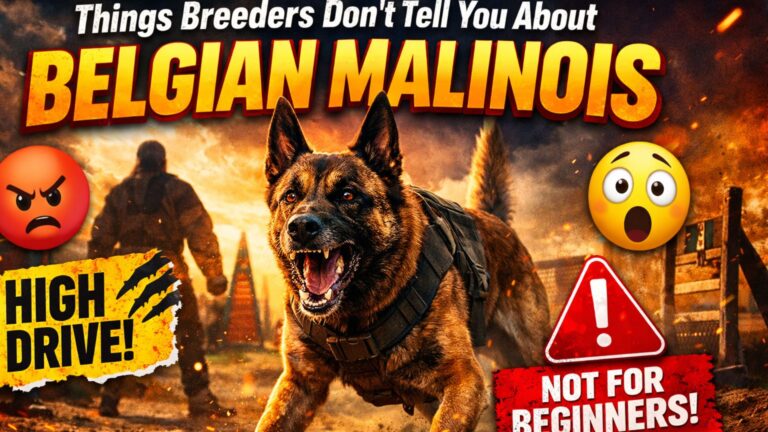
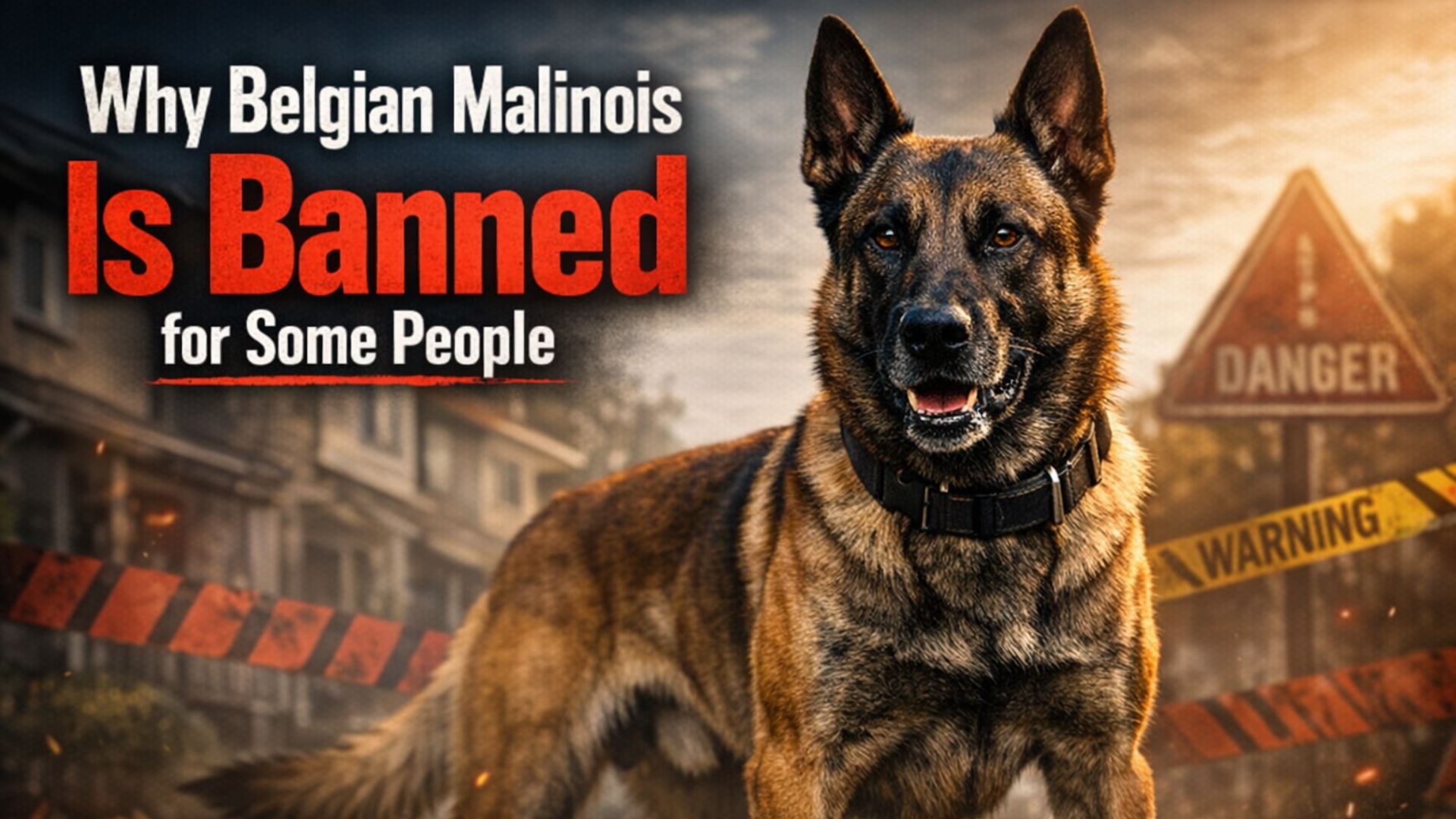
The Belgian Malinois is one of the most skilled and intelligent working dog breeds in the world. Despite its popularity in police and military roles, this breed is restricted or effectively banned for some people in certain countries and regions. These restrictions are based on safety concerns, strict laws, and the breed’s demanding nature, not simply fear or myth.


What Is a Belgian Malinois?
The Belgian Malinois is a high-performance herding dog known for its exceptional intelligence, agility, and strong protective instincts. It is widely used in law enforcement and military operations due to its ability to perform complex tasks, detect threats, and respond quickly. However, these same traits can become problematic in untrained environments.
Why Belgian Malinois Is Banned or Restricted
1. Extremely High Energy Levels
This breed requires intense daily exercise and mental stimulation. Without proper activity, it can develop destructive behavior, anxiety, or aggression, making it difficult for average owners to manage.
2. Classified as a Potentially Dangerous Dog
In some countries, Belgian Malinois are listed under “dangerous dog” categories, meaning owners must follow strict rules such as permits, registration, or controlled handling in public spaces.
3. Breed-Specific Legislation (BSL)
Certain regions enforce breed-specific legislation, which restricts ownership based on breed traits. These laws may require:
- Special licenses
- Liability insurance
- Mandatory muzzling in public
- Ownership bans in extreme cases
4. Strong Bite Force and Protection Training
Belgian Malinois are often trained for protection and bite work, which increases their effectiveness as working dogs but also raises risks if handled by inexperienced individuals.
5. Rapid Rise in Popularity
The breed has seen a surge in popularity, leading to inexperienced ownership and irresponsible breeding, which increases behavioral issues and public safety concerns.
Countries and Regions With Restrictions
| Country/Region | Status | Rules Applied |
|---|---|---|
| Ukraine | Restricted | Classified as dangerous breed |
| Belarus | Restricted | Ownership regulations required |
| Denmark | Controlled | Permit required |
| Israel | Restricted | Mandatory insurance |
| Canada (some areas) | Controlled | Regional permits required |
| Malaysia | Restricted | Government approval needed |
Important Facts and Figures
- Studies over several decades show breed bans do not significantly reduce dog bite incidents.
- Dog behavior is influenced more by training, environment, and owner responsibility than breed alone.
- Increased demand has led to a rise in poorly trained Belgian Malinois, contributing to restrictions in some areas.
Is the Ban Really About the Breed?
Most experts agree that the issue is not the breed itself, but how it is raised and managed. Belgian Malinois require experienced handlers, structured training, and consistent discipline. Without these, even a highly intelligent dog can become difficult to control.
The Belgian Malinois is not universally banned, but it is restricted for some people due to its high energy, strength, and advanced training needs. Governments impose these rules to ensure public safety and responsible ownership. With proper care, training, and experience, the breed can be loyal, disciplined, and highly dependable.
FAQs
Is Belgian Malinois banned everywhere?
No, it is not banned globally, but some countries and regions impose restrictions or ownership requirements.
Why do authorities restrict Belgian Malinois?
Because of their strength, intelligence, and protection instincts, which can pose risks without proper training.
Is Belgian Malinois suitable for beginners?
No, this breed is best suited for experienced owners or professional handlers due to its demanding nature.
About the Author