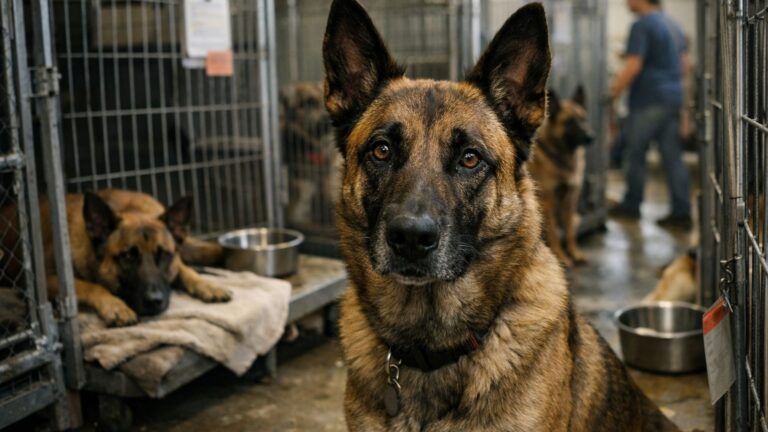
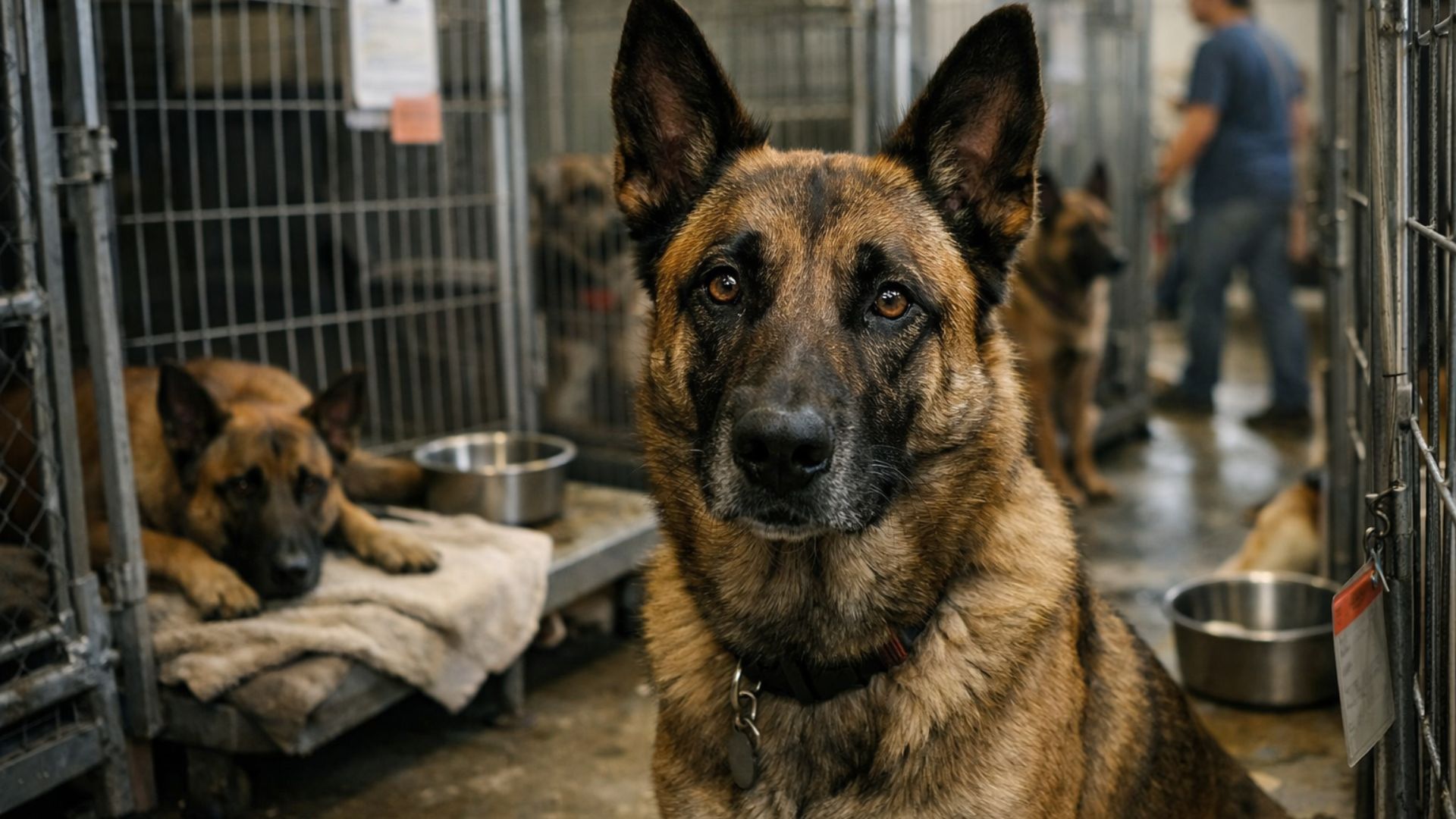
The rising number of Belgian Malinois in U.S. animal shelters reflects a serious issue driven by overbreeding, unrealistic expectations, and lack of owner preparedness. Originally bred for demanding roles such as police and military work, this highly intelligent and energetic breed is now increasingly found in shelters due to mismatched lifestyles.



1. Overbreeding and Rapid Population Growth
One of the primary causes is irresponsible breeding practices. Backyard breeders and commercial operations often produce large numbers of Malinois without screening buyers or ensuring proper care standards. This leads to excess supply, pushing many dogs into shelters when owners can’t manage them.
Uncontrolled breeding and low spay/neuter rates further worsen the issue, contributing to thousands of unwanted litters annually.
2. Extremely High Energy and Exercise Needs
The Belgian Malinois is one of the most high-energy dog breeds in the world. These dogs require:
- 2–4 hours of daily exercise
- Continuous mental stimulation
- Structured and consistent training routines
Without this, they may develop destructive behaviors, anxiety, or aggression. Many first-time owners are unable to meet these demands, leading to surrender.
3. Misleading Popularity and Social Media Influence
The breed’s popularity has skyrocketed due to viral videos and portrayals as obedient, fearless, and easy-to-train dogs. However, this image often ignores the reality that Malinois require professional-level handling and discipline.
This leads to impulse purchases, where buyers quickly become overwhelmed and give up their pets.
4. Behavioral Challenges Due to Poor Training
Improper training or lack of early socialization can result in:
- Aggressive tendencies
- Excessive barking and biting behavior
- Strong prey drive, making them difficult in family environments
Such behavioral issues reduce adoption chances and increase shelter stay duration.
5. Pressure on U.S. Shelter Systems
Animal shelters in the U.S. are facing overcrowding and limited resources. High-maintenance breeds like the Malinois require specialized care, training, and experienced adopters, making rehoming more difficult.
This creates a cycle where intake rates exceed adoption rates, worsening overcrowding.
Key Facts & Figures
| Factor | Impact on Shelter Crisis |
|---|---|
| Overbreeding | Leads to surplus dogs entering shelters |
| Daily Exercise Needs | 2–4 hours required |
| Training Level | Advanced, consistent training needed |
| Behavioral Issues | High if untrained or unstimulated |
| Adoption Difficulty | High due to special care requirements |
The surge of Belgian Malinois in U.S. shelters is largely a result of human decisions. Overbreeding, lack of awareness, and unrealistic expectations have created a growing crisis. While these dogs are incredibly intelligent and capable, they thrive only in structured, active, and experienced homes. Increasing awareness and responsible ownership is essential to reduce shelter overcrowding and ensure better outcomes for this remarkable breed.
FAQs
Why are Belgian Malinois often surrendered to shelters?
Because many owners are unprepared for their high energy, training demands, and behavioral needs.
Are Belgian Malinois suitable for beginners?
No, they are best suited for experienced dog owners who can provide proper training and activity.
Can a shelter Malinois become a good pet?
Yes, with proper training, patience, and commitment, many can adapt and become loyal companions.
About the Author