
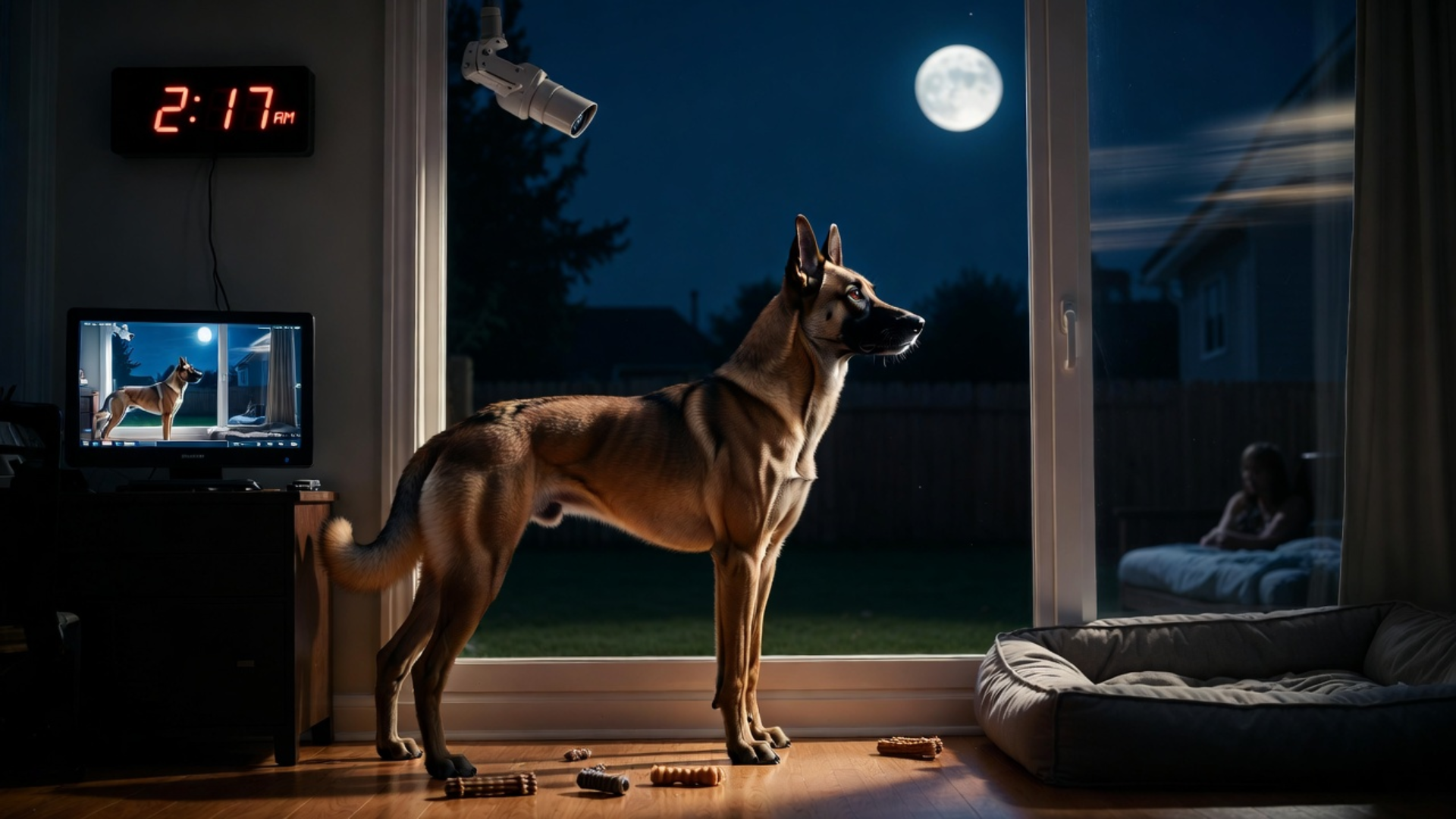
The night routine of a Belgian Malinois is structured, disciplined, and surprisingly intense. Known for their role as military and police working dogs, this breed has high stamina and sharp intelligence, which directly impacts their nighttime behavior.



How Much Do They Sleep?
An adult Belgian Malinois typically sleeps 10–14 hours per day, including nighttime rest and short daytime naps. Puppies can sleep 18–20 hours daily due to rapid growth and development. Despite their energy, they are not nocturnal and usually adapt to household sleep schedules.
What Happens Before Bed?
A Malinois does not simply “crash” at night. Their routine often includes structured activities:
| Routine Element | Recommended Timing | Purpose |
|---|---|---|
| Evening Exercise | 45–90 minutes | Burns excess energy |
| Last Meal | 2–3 hours before bed | Prevents digestive discomfort |
| Mental Stimulation | 15–20 minutes | Obedience drills or puzzle toys |
| Final Potty Break | Right before bed | Reduces night waking |
| Bedtime | Around 9–10 PM | Supports consistent rhythm |
Without at least 60–90 minutes of total daily exercise, Malinois may become restless, bark, or pace at night.
Sleeping Behavior
Most well-trained Malinois sleep through the night and wake around 6–7 AM. Puppies under 4 months may need one nighttime potty break. Many owners prefer crate training, as it provides security and improves sleep consistency.
Because they are alert guard dogs, Malinois may briefly wake if they hear unusual sounds, but they quickly settle if properly exercised.
The Belgian Malinois night routine is highly dependent on structure, exercise, and mental engagement. With consistent training and adequate activity, these intelligent dogs develop predictable and calm nighttime habits. A disciplined evening schedule ensures restful sleep for both the dog and the owner.
FAQs
Do Belgian Malinois sleep through the night?
Yes, most adults sleep 7–9 hours straight when properly exercised.
Why is my Malinois active at night?
Insufficient physical or mental stimulation during the day often causes restlessness.
Is crate training good for nighttime?
Yes, crate training promotes security and helps establish a stable sleep routine.