
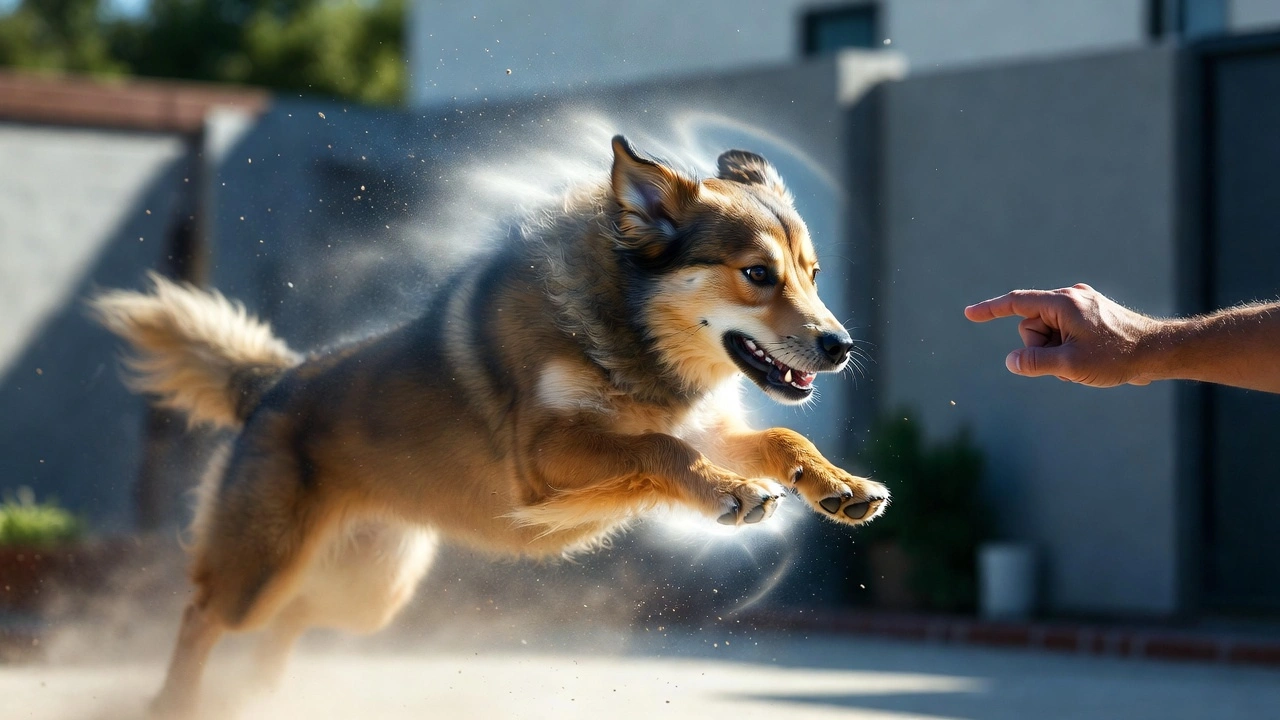
Living with a hyper dog can feel overwhelming. Constant jumping, barking, zooming around the house, and an inability to relax are common struggles for dog owners. The good news is that modern dog behavior science confirms that hyperactivity is manageable — and often transformable — using one simple, proven technique rooted in structure, consistency, and positive reinforcement.
This in-depth, SEO-friendly guide explains everything you need to know about calming hyper dogs using real, practical methods, backed by current canine behavior understanding. No shortcuts, no myths — just what actually works.
Also Read



What Is a Hyper Dog?
A hyper dog is not a “bad” dog. Hyperactivity usually means the dog has excess physical energy, mental understimulation, or lack of structured guidance. Dogs are naturally active animals, but when their needs are unmet, that energy appears as problematic behavior.
Common Signs of Hyperactivity
- Inability to sit still
- Jumping on people excessively
- Constant barking or whining
- Destructive chewing
- Difficulty following commands
- Over-excitement around visitors or other dogs
Hyperactivity can occur in puppies, adolescent dogs, and even adult dogs, especially in high-energy breeds.
Why Dogs Become Hyperactive
Understanding the cause is essential before applying any solution.
1. Excess Energy
Many dogs do not get the daily physical exercise their breed requires. High-energy dogs often need 60–90 minutes of structured activity per day.
2. Lack of Mental Stimulation
Mental fatigue is just as important as physical fatigue. Dogs without problem-solving tasks often act out due to boredom.
3. Inconsistent Routine
Dogs thrive on predictability. An irregular schedule increases anxiety and impulsive behavior.
4. Reinforced Excitement
Unknowingly, many owners reward hyper behavior with attention, talking, petting, or eye contact.
The Simple Technique That Transforms Hyper Dogs
The most effective method recognized today is:
Calm Conditioning Through Structured Energy Release
This technique teaches dogs when to be active and how to be calm, rather than trying to suppress energy.
It combines:
- Controlled exercise
- Calm behavior training
- Positive reinforcement
- Routine-based living
This approach works because dogs learn that calm behavior earns rewards, while excitement does not.
Step-by-Step: How to Apply the Technique
Step 1: Structured Physical Exercise
Before training, your dog must release excess energy.
Effective activities include:
- Brisk walks
- Fetch with rules (sit before throw)
- Jogging
- Tug games with start/stop commands
Unstructured running alone is not enough. Exercise must be intentional and controlled.
Step 2: Teach a Calm Command
Introduce a calm cue such as “settle”, “relax”, or “place.”
How to train:
- Wait until your dog naturally lies down calmly
- Say the calm word
- Reward immediately
- Repeat daily
Over time, the command becomes a trigger for relaxation.
Step 3: Reward Calm Behavior Only
This is the most important part.
Reward your dog when:
- Sitting quietly
- Lying down calmly
- Ignoring distractions
Do not reward jumping, barking, or frantic movement with attention.
Step 4: Short, Frequent Training Sessions
Hyper dogs learn better with 5–10 minute sessions, repeated multiple times per day. Long sessions lead to overstimulation.
Step 5: Build a Predictable Routine
A stable routine reduces anxiety and impulsive behavior.
Dogs should know:
- When they eat
- When they exercise
- When they rest
- When training happens
Daily Calm Transformation Plan
| Time of Day | Activity | Purpose |
|---|---|---|
| Morning | 30–45 minutes walk or exercise | Burn physical energy |
| Midday | Short calm-command training | Reinforce relaxation |
| Afternoon | Puzzle toy or scent game | Mental stimulation |
| Evening | Controlled play + training | Structured outlet |
| Night | Calm downtime | Teach settling behavior |
Tools That Support This Technique
| Tool | Function | Benefit |
|---|---|---|
| Leash Training | Control movement | Prevents overstimulation |
| Puzzle Toys | Mental challenge | Reduces boredom |
| Reward Treats | Positive reinforcement | Builds calm habits |
| Place Bed / Mat | Calm zone | Encourages settling |
| Routine Schedule | Predictability | Lowers anxiety |
Common Mistakes That Prevent Results
Avoid these errors if you want real change:
- Talking or touching your dog during hyper behavior
- Inconsistent training commands
- Skipping daily exercise
- Allowing uncontrolled play
- Expecting instant results
Consistency over time is what creates transformation.
How Long Does It Take to See Results?
Most dogs begin showing improvement within 2 to 4 weeks of consistent application. Significant behavioral change usually appears within 6 to 8 weeks.
Puppies and young dogs may take longer due to developmental energy levels.
Benefits of This Technique
- Reduced jumping and barking
- Improved focus and obedience
- Calmer indoor behavior
- Stronger bond between dog and owner
- Lower stress for both dog and household
The Role of Diet in Managing Hyper Dogs
A dog’s nutrition plays a significant role in energy regulation and behavior stability. Diets high in artificial additives, excessive carbohydrates, or low-quality fillers can contribute to sudden energy spikes and restlessness.
Dogs require balanced meals with adequate protein, healthy fats, and essential vitamins to maintain steady energy levels throughout the day. Feeding schedules also matter — dividing daily meals into two or three portions prevents energy surges and helps regulate metabolism.
A consistent, high-quality diet supports the calming technique by stabilizing your dog’s physical state and improving focus during training sessions.
Why Consistency Matters More Than Intensity
Many dog owners believe that intense exercise or strict discipline will fix hyperactivity, but consistency is far more effective than intensity. Calm conditioning works because dogs learn through repeated patterns, not occasional effort.
Even moderate daily training and exercise, when applied consistently, produce better long-term results than irregular high-intensity routines. Consistency builds trust, predictability, and emotional balance, allowing your dog to understand expectations clearly.
When the same rules, commands, and rewards are applied every day, hyper behavior gradually fades and calm responses become automatic.
Transforming hyper dogs does not require force, punishment, or complicated tools. It requires structured energy release, consistent calm training, and positive reinforcement. When dogs understand how to relax and when activity is appropriate, hyper behavior fades naturally.
By applying this simple technique daily, you create a balanced, confident, and calm dog — not just temporarily, but for life.
FAQs
Can this technique work for aggressive dogs?
This technique improves impulse control, but aggression requires professional evaluation. Calm conditioning can help but should not replace expert guidance.
Do high-energy breeds need more exercise?
Yes. Breeds like Border Collies, Huskies, and German Shepherds require higher physical and mental stimulation.
Is medication necessary for hyper dogs?
In most cases, no. Behavioral structure, exercise, and training resolve hyperactivity naturally.