
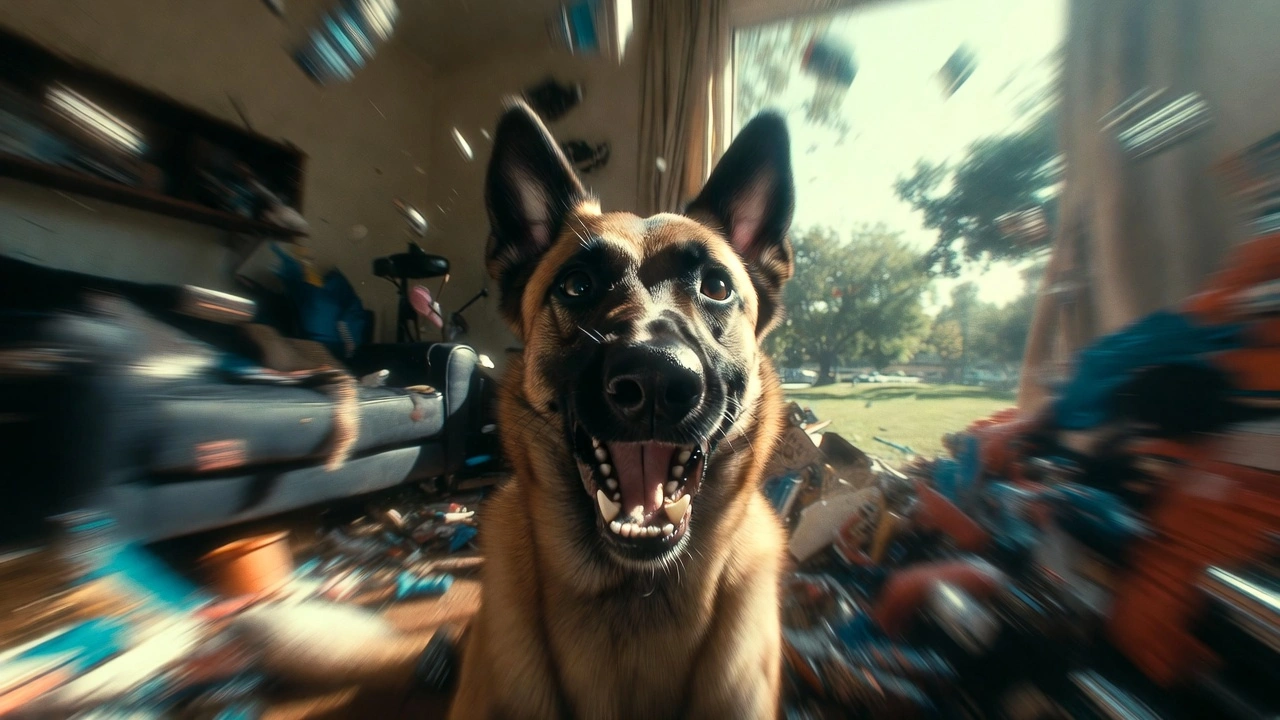
Belgian Malinois are among the most energetic and intelligent working dog breeds in the world. Originally bred for herding, protection, and tactical work, this breed is designed for action, endurance, and problem-solving. When their exercise needs are not met, behavioral problems are almost guaranteed to follow.
Many owners mistake these behaviors for stubbornness or aggression, but in reality, they are often clear signals of unmet physical and mental stimulation needs.
Also Read



This article explains 7 behavioral signs your Malinois needs more exercise, supported by real, breed-specific facts and figures, along with practical solutions to restore balance.
Why Exercise Is Critical for Belgian Malinois
A Belgian Malinois is not a low-energy companion dog. A healthy adult Malinois typically requires 90–120 minutes of structured, high-intensity exercise daily, along with mental challenges such as obedience training, scent work, or problem-solving tasks.
Without proper activity:
- Stress hormones increase
- Frustration builds rapidly
- Behavioral issues escalate
Unlike many breeds, Malinois do not self-regulate their energy. They rely entirely on their handler to provide adequate outlets.
Recommended Daily Exercise by Age
| Life Stage | Exercise Duration | Type of Activity Needed |
|---|---|---|
| Puppy (0–6 months) | 30–45 minutes | Short play sessions, basic training |
| Adolescent (6–12 months) | 60–90 minutes | Training drills, controlled running |
| Adult (1–7 years) | 90–120+ minutes | Running, agility, obedience, mental work |
| Senior (7+ years) | 30–60 minutes | Low-impact exercise, mental games |
This table highlights why insufficient exercise quickly leads to behavioral problems, especially during adolescence and adulthood.
7 Behavioral Signs Your Malinois Needs More Exercise
1. Destructive Chewing and Digging
One of the earliest warning signs is destructive behavior. This includes chewing furniture, shoes, walls, digging holes, or tearing up bedding.
Why it happens:
Malinois have strong jaws and a natural drive to work. Without exercise, that drive turns destructive.
Key takeaway: Destruction is rarely boredom—it is excess energy seeking release.
2. Constant Hyperactivity and Inability to Settle
A Malinois that cannot relax indoors, constantly paces, or appears overstimulated even after short walks is likely under-exercised.
Common indicators:
- Constant movement
- Jumping excessively
- Difficulty resting
This is not excitement—it is physical energy overload.
3. Excessive Barking or Vocalization
Persistent barking, whining, or howling without a clear trigger is a strong sign of frustration and unmet needs.
Malinois often vocalize when:
- Left alone too long
- Lacking daily structure
- Not mentally challenged
Barking becomes an emotional outlet rather than a warning signal.
4. Separation Anxiety Symptoms
Insufficient exercise significantly worsens separation anxiety in Belgian Malinois. A tired dog copes better with alone time.
Signs include:
- Destroying doors or windows
- Excessive drooling
- Panic behaviors before departure
Exercise helps regulate stress hormones and increases emotional stability.
5. Obsessive or Repetitive Behaviors
Malinois deprived of stimulation often develop compulsive behaviors, such as:
- Chasing shadows or lights
- Repetitive pacing
- Fixating on one object
These behaviors indicate mental overload without purpose, which is common in working breeds lacking tasks.
6. Poor Impulse Control and Reactivity
Under-exercised Malinois often show:
- Lunging at dogs or people
- Overreacting to movement
- Difficulty following commands
This is frequently misdiagnosed as aggression, but in reality it stems from unreleased energy and frustration combined with insufficient mental work.
7. Weight Gain or Sudden Lethargy
Paradoxically, lack of exercise can cause both weight gain and low energy levels. When muscles are not used:
- Metabolism slows
- Muscle tone declines
- Motivation decreases
A healthy Malinois should appear lean, athletic, and alert—not sluggish or overweight.
Why Belgian Malinois Need Intense Daily Exercise
Belgian Malinois are high-drive working dogs bred for endurance, speed, and problem-solving. Their bodies and minds are designed to stay active for long periods, which is why short walks or casual play are never enough.
A healthy Malinois requires structured physical activity such as running, agility, obedience drills, or interactive games to properly burn energy. Without sufficient exercise, excess energy quickly turns into frustration, leading to destructive habits, restlessness, and behavioral instability.
Regular exercise also plays a vital role in maintaining a Malinois’ mental balance. Physical activity helps regulate stress hormones, improves focus, and strengthens impulse control.
When exercise is consistent and challenging, Malinois become calmer indoors, more responsive to commands, and emotionally stable. Proper daily activity is not optional for this breed—it is a core requirement for long-term health and good behavior.
How Lack of Exercise Affects Malinois Behavior
When a Belgian Malinois does not receive adequate exercise, behavioral issues often surface rapidly. Common problems include excessive barking, destructive chewing, obsessive behaviors, and difficulty settling down.
These behaviors are frequently misunderstood as disobedience, but they are actually stress responses caused by pent-up energy and mental under-stimulation.
Over time, chronic lack of exercise can lead to more serious concerns such as reactivity, anxiety, and poor impulse control.
The dog may become overly sensitive to movement, noise, or unfamiliar situations. Providing structured physical workouts combined with mental challenges helps prevent these issues, ensuring the Malinois remains confident, well-balanced, and emotionally healthy.
Why Mental Exercise Is Just as Important
Physical exercise alone is not enough for Belgian Malinois. This breed requires daily mental stimulation to stay balanced.
Highly effective mental activities include:
- Advanced obedience training
- Scent detection games
- Puzzle feeders
- Task-based routines
Mental exhaustion often calms a Malinois more effectively than physical exercise alone.
Ideal Daily Exercise Structure
A balanced routine may include:
- Morning: High-intensity walk, run, or fetch (30–45 minutes)
- Midday: Obedience training or mental games (15–30 minutes)
- Evening: Agility, structured play, or scent work (30–45 minutes)
Consistency is more important than intensity. Random activity without structure rarely satisfies this breed.
Benefits of Proper Exercise for Malinois
When exercise needs are met, owners commonly observe:
- Reduced destructive behavior
- Improved obedience
- Better emotional control
- Stronger bond with handler
- Improved overall health
Exercise is not optional for this breed—it is foundational care.
Belgian Malinois are extraordinary dogs, but they demand extraordinary commitment. The 7 behavioral signs outlined in this article are not signs of a “bad dog,” but clear communication that your Malinois needs more structured exercise and mental engagement.
Meeting their needs through daily physical activity, mental challenges, and consistent routines transforms behavioral issues into strengths. A well-exercised Malinois is confident, obedient, emotionally stable, and deeply loyal.
FAQs
How much exercise does a Belgian Malinois need daily?
A healthy adult Malinois typically requires 90–120 minutes of structured physical activity, plus mental stimulation every day.
Can lack of exercise cause aggression in Malinois?
Yes. Insufficient exercise can lead to reactivity, frustration, and impulse control issues that resemble aggression.
Is mental stimulation as important as physical exercise for Malinois?
Absolutely. Mental stimulation is essential for preventing obsessive behaviors and maintaining emotional balance.