
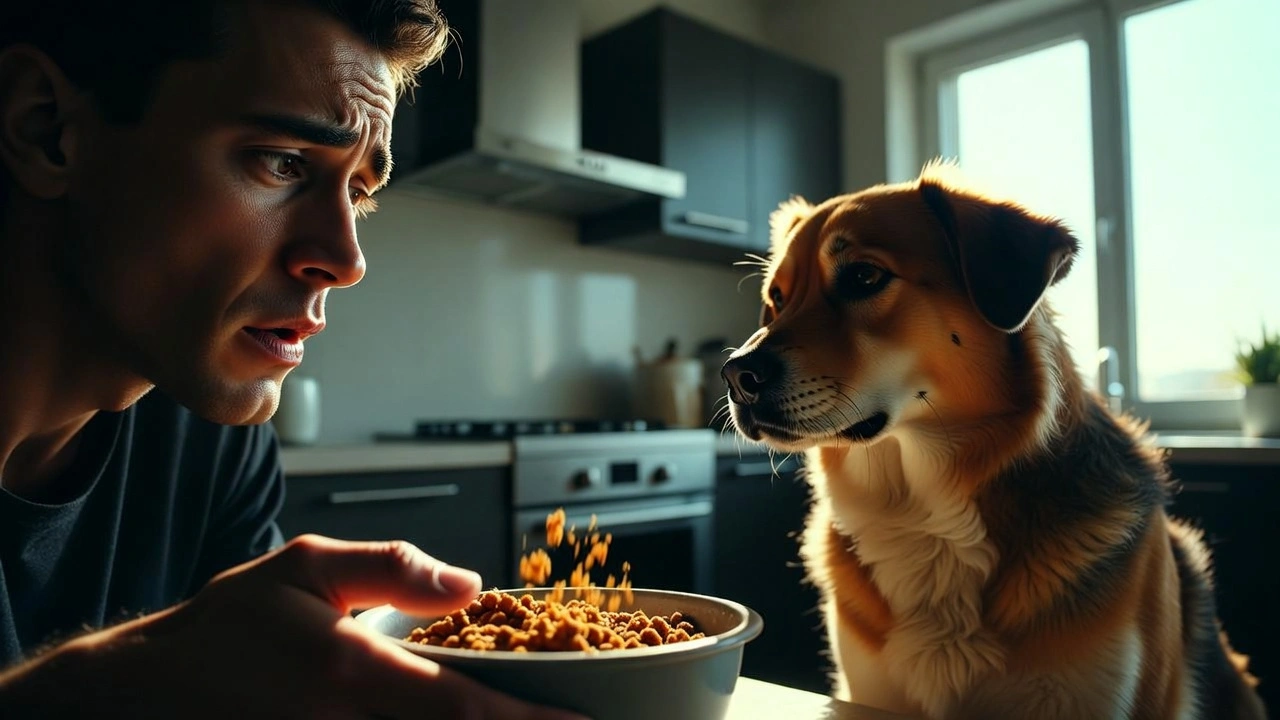
Feeding your dog is not just a daily routine—it is a life-critical responsibility. Many dog owners unknowingly make deadly dog food mistakes that can lead to serious health complications, long-term diseases, or even sudden death.
In 2026, veterinary data and pet health trends clearly show a rise in diet-related problems such as obesity, kidney failure, pancreatitis, allergies, and nutritional deficiencies in dogs.
Also Read

This SEO-friendly, in-depth guide explains every major dog food mistake you must avoid, backed by real facts, figures, and expert-accepted knowledge. If you truly care about your dog’s health, read this carefully.
Why Dog Nutrition Is More Important Than Ever
Dogs require a balanced diet containing proteins, fats, carbohydrates, vitamins, minerals, and water in the right proportions. Unlike humans, dogs cannot safely process many everyday foods.
Even small feeding errors—such as sharing leftovers or choosing the wrong treats—can cause toxic reactions.
Veterinary observations show:
- Over 55% of pet dogs in urban areas are overweight or obese
- Diet-related diseases now rank among the top 5 causes of veterinary visits
- Most pet food emergencies happen due to human food exposure
Understanding what not to feed your dog is just as important as knowing what to feed.
Deadly Dog Food Mistakes and Their Health Risks
| Mistake Category | Examples | Health Risks |
|---|---|---|
| Toxic Foods | Chocolate, grapes, onions, garlic | Seizures, kidney failure, anemia, death |
| Artificial Sweeteners | Xylitol | Sudden hypoglycemia, liver failure |
| Salty & Fatty Foods | Chips, fried snacks | Pancreatitis, sodium poisoning |
| Dairy Products | Milk, ice cream | Diarrhea, bloating, gut inflammation |
| Raw Diet Errors | Raw meat, bones | Salmonella, internal injuries |
| Overfeeding | Too many treats | Obesity, diabetes, heart disease |
| Improper Storage | Exposed kibble | Mold, bacterial growth |
1. Toxic Foods That Can Kill Your Dog
Some foods are extremely poisonous to dogs, even in tiny amounts.
Chocolate
Chocolate contains theobromine, which dogs cannot metabolize properly. Dark chocolate and cocoa powder are the most dangerous. Symptoms include vomiting, rapid heart rate, tremors, seizures, and cardiac failure.
Grapes and Raisins
These can cause sudden kidney failure in dogs. Even a handful can be fatal. The exact toxic compound is unknown, making any exposure dangerous.
Onions and Garlic
All forms—raw, cooked, powdered—damage red blood cells and lead to hemolytic anemia. Repeated small doses are just as dangerous as a large single dose.
Avocado
Avocados contain persin, which can cause vomiting, diarrhea, and pancreatitis. The pit also poses a choking and intestinal blockage risk.
Alcohol
Dogs are far more sensitive to alcohol than humans. Even small quantities can cause breathing problems, coma, or death.
2. Dangerous Human Foods You Should Never Share
Many owners think giving a “small bite” is harmless—but it isn’t.
Xylitol (Artificial Sweetener)
Found in sugar-free gum, candies, baked goods, and peanut butter. Xylitol triggers rapid insulin release, causing dangerously low blood sugar within minutes and acute liver failure within hours.
Chips, Processed Snacks, and Fast Food
High salt and fat content lead to dehydration, sodium poisoning, pancreatitis, and heart strain. These foods also encourage obesity.
Ice Cream and Milk
Most dogs are lactose intolerant. Dairy causes diarrhea, gas, and digestive inflammation. Many ice creams also contain xylitol.
Artificial Colors and Preservatives
Chemical dyes and preservatives are linked to allergic reactions, skin problems, and long-term inflammation in dogs.
3. Raw Feeding and Improper Food Handling
Raw Food Diet Risks
While popular, raw diets pose serious risks. Raw meat may contain harmful bacteria that can infect both dogs and humans. Puppies, senior dogs, and immunocompromised pets are especially vulnerable.
Improper Storage of Dog Food
Exposing dry food to air and moisture encourages mold growth and bacterial contamination. Nutrients also degrade over time, reducing food quality.
Best practice: Keep dog food in its original bag, sealed inside an airtight container, and store it in a cool, dry place.
4. Overfeeding: A Silent Killer
Overfeeding is one of the most common yet overlooked dog food mistakes.
Facts:
- Treats should make up no more than 10% of daily calorie intake
- Obesity increases the risk of diabetes by up to 60%
- Overweight dogs have a shorter lifespan by up to 2 years
Feeding based on emotion rather than portion control leads to long-term damage.
5. What a Healthy Dog Diet Should Include
A proper diet should be:
- Complete and balanced for the dog’s age, size, and activity level
- Rich in high-quality animal protein
- Contain healthy fats for skin and coat
- Free from harmful additives and unnecessary fillers
- Supported by fresh, clean water at all times
Never switch diets suddenly. Gradual transitions over 7–10 days prevent digestive upset.
One of the most overlooked deadly dog food mistakes is assuming that all commercial dog foods are equally safe. In reality, low-quality dog foods often contain excessive fillers, unnamed meat by-products, artificial flavors, and low-grade fats that provide calories without proper nutrition.
Long-term consumption of such food can weaken the immune system, cause chronic inflammation, lead to skin disorders, dull coat quality, and increase the risk of organ stress.
Choosing dog food based solely on price or marketing claims rather than ingredient quality can silently harm your dog over time. Always prioritize foods that meet complete nutritional standards and are appropriate for your dog’s age, size, and activity level.
Avoiding deadly dog food mistakes is not optional—it is essential for your dog’s survival. Many life-threatening conditions in dogs are preventable with proper nutrition, safe food choices, correct storage, and portion control.
Never assume human food is safe. Always read labels, avoid harmful ingredients, store food properly, and consult a veterinarian when making dietary changes. A well-fed dog is not an overfed dog—it is a properly nourished dog.
FAQs
What is the most dangerous food for dogs?
Chocolate, grapes, xylitol, onions, and alcohol are among the most dangerous foods and can be fatal even in small amounts.
Can dogs eat homemade food safely?
Yes, but only if it is nutritionally balanced and approved by a veterinarian. Random homemade meals often lack essential nutrients.
How do I know if my dog has food poisoning?
Symptoms include vomiting, diarrhea, weakness, tremors, loss of appetite, and seizures. Immediate veterinary care is critical.