
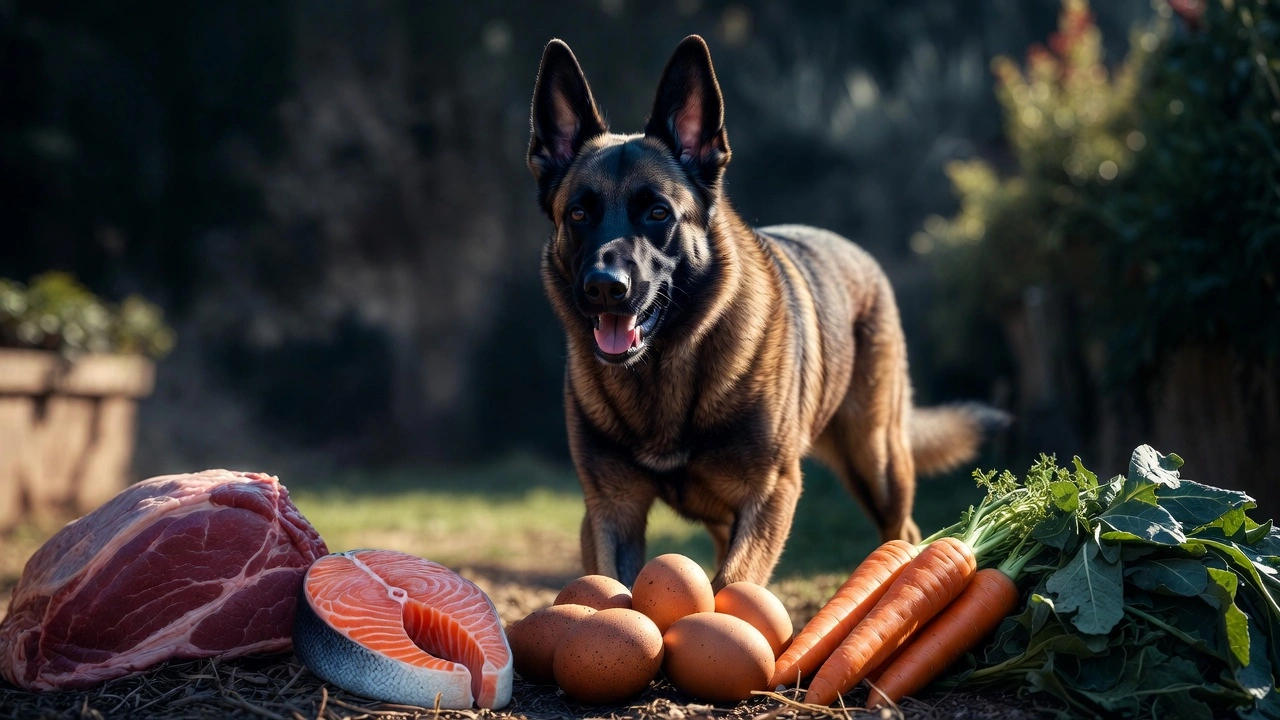
A Belgian Malinois is not an ordinary dog. This highly intelligent, energetic, and athletic breed requires premium nutrition to maintain peak physical condition, mental sharpness, and long-term health. Poor nutrition can quickly lead to fatigue, joint problems, digestive issues, dull coat, and reduced performance.



Why Nutrition Is Critical for Belgian Malinois
The Belgian Malinois is a high-drive working breed with intense daily energy demands. Adult Malinois typically require 20–30% protein and 12–18% fat in their diet, depending on activity level. Their fast metabolism means they burn calories quickly, making nutrient-dense food essential.
A proper diet supports:
- Lean muscle development
- Joint and bone strength
- Strong immunity
- Healthy digestion
- Shiny coat and skin
- Sustained energy levels
Feeding the wrong foods or low-quality diets can cause nutrient deficiencies, weight loss, digestive stress, and behavioral issues.
1. High-Quality Animal Protein
Protein is the foundation of a Belgian Malinois diet. Because this breed is muscular and extremely active, protein directly fuels muscle repair, endurance, and strength.
Why Protein Is Essential
- Maintains lean muscle mass
- Supports enzyme and hormone production
- Helps with cell regeneration
- Prevents muscle breakdown during intense activity
Recommended Protein Sources
- Chicken
- Turkey
- Beef
- Lamb
- Fish (salmon, sardines)
Adult Malinois should consume at least 1.2–1.5 grams of protein per pound of body weight per day when active. Puppies may require even more to support growth.
Avoid foods labeled with vague ingredients like “meat meal” or “animal by-products.” Always choose foods where real meat is the first ingredient.
2. Fresh Whole Foods
Fresh, minimally processed foods provide higher bioavailability of nutrients, meaning your dog absorbs more nutrition from every bite.
Benefits of Fresh Whole Foods
- Improved digestion
- Better nutrient absorption
- Reduced inflammation
- Healthier joints and organs
Fresh foods often include:
- Lean meats
- Lightly cooked vegetables
- Natural oils
- Limited preservatives
These diets are especially beneficial for Malinois prone to sensitive stomachs or food allergies. Many owners report increased energy levels and shinier coats within weeks of switching.
3. Healthy Carbohydrates for Energy
Belgian Malinois burn energy fast. Complex carbohydrates provide steady fuel without causing blood sugar spikes.
Best Carbohydrate Sources
- Sweet potatoes – rich in fiber and vitamin A
- Brown rice – easily digestible energy
- Oats – support gut health
- Quinoa – contains protein and minerals
Carbohydrates should make up 30–40% of the total diet. Avoid refined carbs like white bread, corn syrup, and artificial fillers, which offer calories without nutrition.
Healthy carbs help:
- Maintain stamina
- Improve digestion
- Support consistent energy during training or work
4. Vegetables and Fruits
Vegetables and fruits are powerful natural supplements when given correctly. They provide antioxidants, fiber, and vitamins that strengthen immunity and digestion.
Safe Vegetables for Malinois
- Broccoli
- Carrots
- Spinach
- Pumpkin
Safe Fruits
- Blueberries
- Apples (without seeds)
- Bananas (small amounts)
These foods support:
- Gut health
- Cell protection
- Immune system strength
Vegetables and fruits should make up no more than 10–15% of the diet and should always be given fresh, chopped, or lightly cooked.
5. Healthy Fats and Oils
Healthy fats are vital for a Malinois’s brain function, joint mobility, and coat quality.
Benefits of Healthy Fats
- Reduce inflammation
- Improve coat shine
- Support cognitive function
- Strengthen joints
Best Fat Sources
- Salmon oil
- Fish oil
- Flaxseed oil
- Coconut oil (small amounts)
Omega-3 fatty acids such as EPA and DHA are particularly important for active dogs and aging Malinois. These fats help prevent joint stiffness and improve recovery after exercise.
Top 5 Foods That Make Your Malinois Healthier
Nutrition Overview
| Food Type | Primary Benefits | Key Nutrients |
|---|---|---|
| High-Quality Animal Protein | Muscle growth, stamina, recovery | Protein, amino acids |
| Fresh Whole Foods | Balanced nutrition, joint health | Vitamins, minerals |
| Healthy Carbohydrates | Long-lasting energy | Fiber, complex carbs |
| Vegetables & Fruits | Immunity, digestion | Antioxidants, vitamins |
| Healthy Fats & Oils | Skin, coat, brain health | Omega-3 & Omega-6 |
Why the Right Foods Matter for Belgian Malinois Health
A Belgian Malinois is a high-performance dog that needs more than basic nutrition to stay healthy and active. This breed has a fast metabolism and intense energy levels, which means poor-quality food can quickly lead to muscle loss, fatigue, joint stress, and digestive issues.
Feeding high-quality proteins, healthy fats, and nutrient-rich whole foods helps support strong muscles, flexible joints, sharp focus, and long-lasting stamina. A balanced diet also strengthens the immune system, reducing the risk of common health problems and supporting overall vitality.
How Proper Nutrition Improves Strength, Energy, and Longevity
When a Belgian Malinois receives the right combination of protein, complex carbohydrates, vitamins, minerals, and omega fatty acids, the results are visible in daily life.
Dogs show improved endurance during training, faster recovery after exercise, healthier skin and coat, and better digestion. Consistent, high-quality nutrition also plays a key role in extending lifespan by preventing nutritional deficiencies and reducing inflammation over time.
Simply put, the right foods help your Malinois stay stronger, more energetic, and healthier at every stage of life.
Daily Feeding Guidelines
- Feed adult Malinois twice daily
- Puppies may require 3–4 meals per day
- Active working dogs need higher calorie intake
- Always provide fresh water
- Introduce new foods gradually over 5–7 days
An adult Belgian Malinois usually consumes 1,200–1,600 calories per day, depending on activity and size.
A Belgian Malinois thrives on high-quality nutrition. Feeding the right combination of protein-rich meats, fresh whole foods, complex carbohydrates, safe fruits and vegetables, and healthy fats can dramatically improve your dog’s strength, endurance, digestion, and lifespan.
The right diet supports not only physical performance but also mental sharpness and emotional balance. By choosing these five essential food categories and feeding them correctly, you give your Malinois the foundation for a healthier, stronger, and more active life.
FAQs
How much food should a Belgian Malinois eat daily?
Most adult Belgian Malinois require 3–4 cups of high-quality food daily, split into two meals. Highly active dogs may need more calories.
Can Belgian Malinois eat homemade food?
Yes, but homemade diets must be properly balanced with protein, fats, carbohydrates, vitamins, and minerals. Poorly planned homemade diets can cause deficiencies.
Are grain-free diets better for Belgian Malinois?
Grain-free diets are only necessary if your dog has a diagnosed grain sensitivity. Healthy grains can be beneficial and provide energy and fiber.